The Unbroken Circle: How Survivor-Led Advocacy and Community Collaboration Are Redefining Human Trafficking Recovery
Human trafficking leaves scars that are often invisible, yet their impact reverberates through every aspect of a survivor’s life. The journey toward healing is not linear—it is a complex, deeply personal process that demands more than just rescue. It requires a network of support that acknowledges the unique struggles of each individual while fostering an environment where dignity, autonomy, and hope can flourish. At the heart of this transformation lies a powerful truth: survivors themselves are the most compelling advocates for change, and their voices must lead the way in shaping the systems designed to protect and empower them.
The Power of Survivor-Led Advocacy
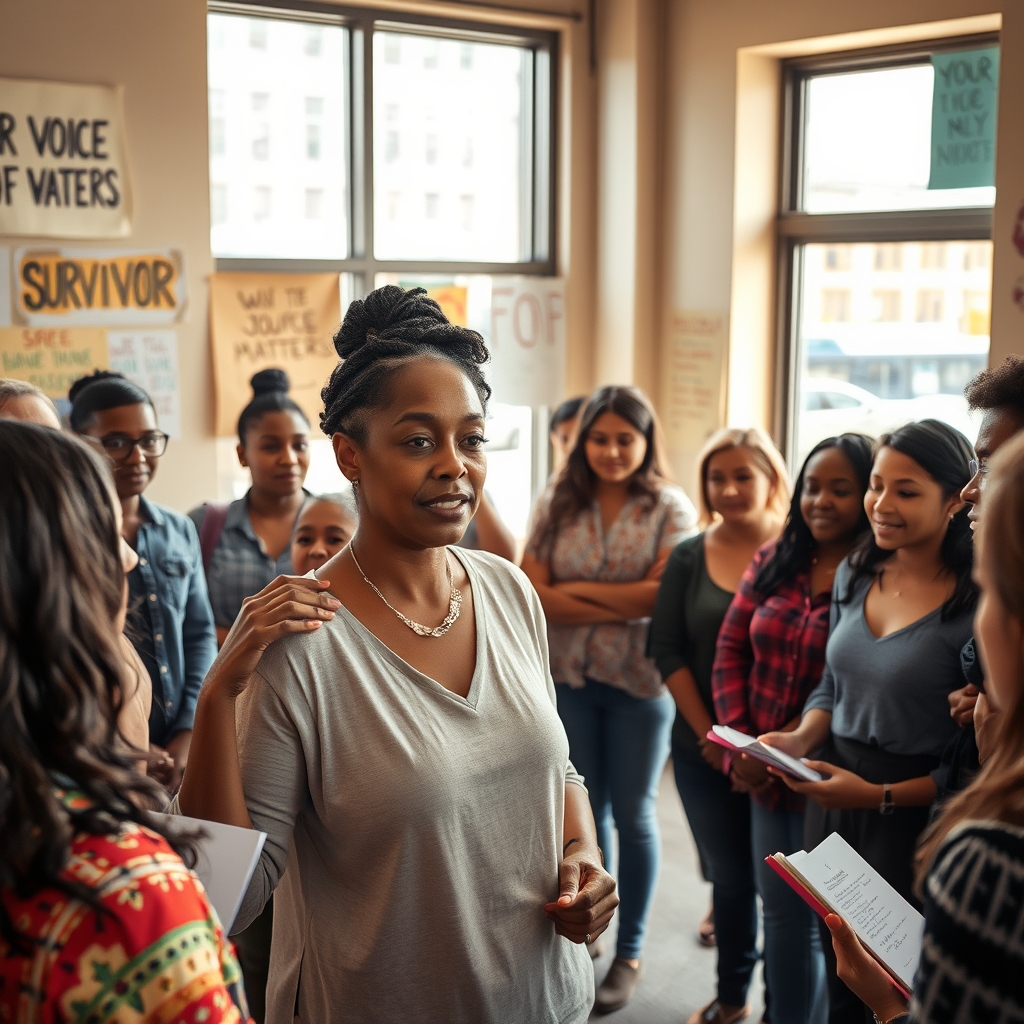
For too long, the narrative around human trafficking has been dominated by external perspectives—well-meaning organizations, policymakers, and activists who, while crucial, cannot fully grasp the nuances of the survivor experience. Survivor-led advocacy flips this dynamic, centering those who have lived through the trauma as the architects of their own recovery and the driving force behind systemic change. Organizations like the Survivor Alliance and Free the Slaves have pioneered models where survivors take on leadership roles, from designing rehabilitation programs to advising on policy reforms. Their insights are invaluable, offering a perspective that is both raw and resilient, grounded in lived experience rather than theoretical knowledge.
One of the most significant contributions of survivor-led advocacy is its ability to humanize the issue. When survivors share their stories—whether through public speaking, media campaigns, or peer support networks—they dismantle the stigma and misconceptions that often surround human trafficking. Their voices challenge the stereotypes that portray victims as passive or helpless, instead highlighting their strength, agency, and capacity for resilience. This shift in perception is not just symbolic; it has tangible effects on how survivors are treated within legal systems, healthcare, and social services, ensuring that their rights and needs are prioritized.
Building Trust Through Peer Support
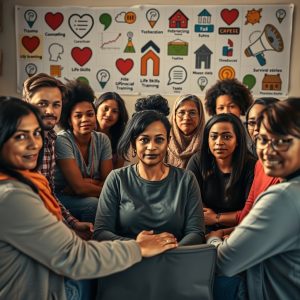
Recovery from human trafficking is not a solitary endeavor. It thrives in spaces where survivors feel understood, validated, and safe. Peer support systems, where survivors connect with others who have walked similar paths, play a critical role in this process. These networks provide a sense of belonging and solidarity, reducing the isolation that many survivors experience. Organizations like Thorn and Polaris have developed peer mentorship programs that pair survivors with trained advocates who can offer guidance, empathy, and practical assistance. The power of these relationships lies in their authenticity—survivors are more likely to open up to someone who has faced similar struggles, creating a foundation of trust that is essential for healing.
Peer support also extends beyond emotional healing. It can be a lifeline for survivors navigating the complexities of reintegration, from finding housing and employment to accessing legal aid. For many, the journey toward stability is fraught with barriers, including discrimination, financial instability, and a lack of documentation. Peer advocates, who have often overcome these same obstacles, can provide practical advice and advocacy, helping survivors reclaim control over their lives. This model not only empowers survivors but also strengthens the broader anti-trafficking movement by ensuring that solutions are rooted in real-world experiences.
Community Collaboration: The Backbone of Prevention and Recovery
While survivor-led advocacy is transformative, it cannot exist in a vacuum. Effective anti-trafficking efforts require a collaborative approach that engages communities, governments, and organizations in a unified front. Community-based safety initiatives are a cornerstone of this collaboration, empowering local residents to recognize the signs of trafficking and take action. Programs like Blue Campaign and UNODC’s Global Report on Trafficking in Persons emphasize the importance of education and awareness in preventing trafficking before it starts. By training teachers, healthcare workers, law enforcement, and even business owners to identify and report suspicious activity, these initiatives create a safety net that extends far beyond the reach of traditional law enforcement.
Collaboration also plays a critical role in the recovery process. Safe reintegration frameworks, such as those developed by ECPAT International, focus on providing survivors with the tools they need to rebuild their lives. This includes access to trauma-informed care, vocational training, and legal support, all of which are essential for long-term stability. However, these services are most effective when they are coordinated across multiple sectors. For example, a survivor may need medical care, legal assistance, and housing support simultaneously. Without collaboration between healthcare providers, legal advocates, and social workers, survivors can fall through the cracks, their needs unmet and their progress stalled.
The Role of Policy and Global Efforts
No amount of community collaboration or survivor advocacy can fully address the systemic roots of human trafficking without robust policy reform. Legal protection advocacy is a critical component of the anti-trafficking movement, ensuring that survivors have access to justice and that perpetrators are held accountable. Organizations like Anti-Slavery International and International Justice Mission (IJM) work tirelessly to strengthen laws, improve enforcement, and protect the rights of survivors. Their efforts have led to landmark legislation, such as the Trafficking Victims Protection Act (TVPA) in the United States and similar frameworks in countries around the world.
On a global scale, anti-trafficking efforts require coordination between nations, as trafficking networks often operate across borders. Initiatives like the United Nations Global Plan of Action to Combat Trafficking in Persons bring together governments, NGOs, and survivors to share best practices, harmonize laws, and strengthen international cooperation. These efforts are not without challenges—corruption, lack of resources, and political instability can hinder progress—but they represent a vital step toward a more unified and effective response to human trafficking.
Empowerment Through Education and Economic Opportunity
Education is one of the most powerful tools in the fight against human trafficking. It equips individuals with the knowledge to recognize the tactics used by traffickers, the skills to protect themselves and others, and the confidence to advocate for change. Trafficking prevention education programs, such as those run by Not For Sale and A21, target vulnerable populations, including at-risk youth, migrants, and marginalized communities. These programs teach participants about their rights, the warning signs of trafficking, and the resources available to them if they or someone they know is in danger. By fostering awareness, education reduces the likelihood of exploitation and empowers individuals to take an active role in their own safety.
Economic empowerment is equally critical. Many survivors of human trafficking face significant barriers to employment, including gaps in their work history, lack of formal education, and discrimination. Vocational training programs, such as those offered by Safe Horizon and Coalition to Abolish Slavery & Trafficking (CAST), provide survivors with the skills they need to secure stable, dignified work. These programs often include job placement assistance, financial literacy training, and entrepreneurship support, giving survivors the tools to achieve economic independence. When survivors have access to meaningful employment, they are less vulnerable to re-exploitation and better equipped to rebuild their lives on their own terms.
The fight against human trafficking is not just about rescue—it is about creating a world where exploitation has no place, and where every survivor has the opportunity to thrive. It is a collective effort that demands empathy, collaboration, and a unwavering commitment to justice. By centering survivor voices, fostering community collaboration, and advocating for systemic change, we can build a future where healing is not just possible, but inevitable. The path forward is not easy, but it is one worth taking, for the sake of those who have already endured so much and for the generations that will follow. In the unbroken circle of resilience, hope, and solidarity, we find the strength to turn the tide against human trafficking, one life at a time.