
The Ripple Effect: How Trafficking Prevention Education and Psychosocial Support Create Lasting Change
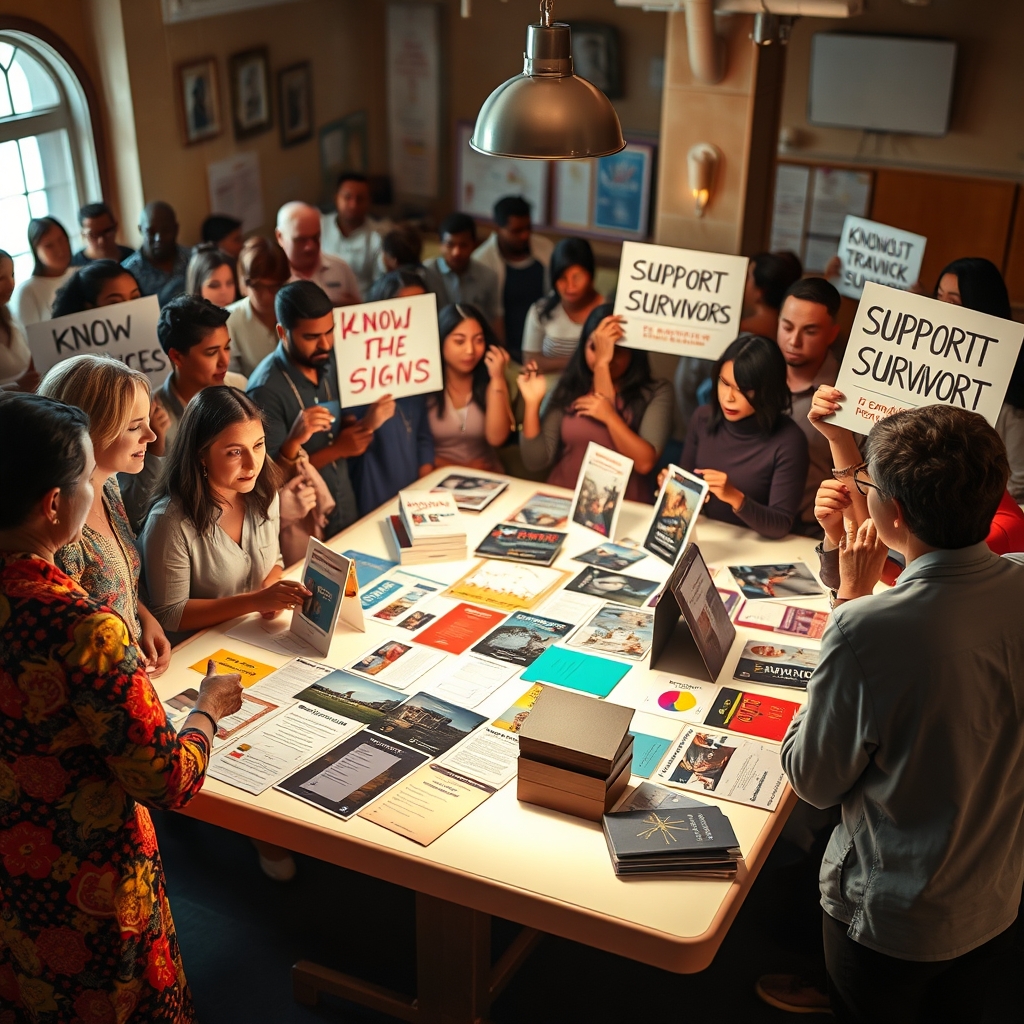
In the quiet corners of our communities, the echoes of human trafficking often go unheard. Yet, the ripple effect of trafficking prevention education and psychosocial support can create lasting change, reshaping the landscape of safety and hope for those at risk.
The Foundation of Prevention
Trafficking prevention education is the cornerstone of a safer society. By equipping individuals with the knowledge to recognize and resist trafficking tactics, we empower them to be vigilant guardians of their own safety. This education is not just about awareness; it’s about fostering a culture of respect and mutual care. Programs that integrate trafficking prevention into school curricula, community workshops, and workplace training create a web of protection that extends far beyond the classroom.
Empowerment Through Knowledge
Empowerment through education is a transformative tool. When people understand the signs of trafficking, they can intervene effectively. For instance, recognizing the subtle signs of coercion or exploitation can prevent a vulnerable individual from being drawn into a dangerous situation. Educational initiatives that focus on the human rights of all individuals, regardless of their background, help to dismantle the myths and misconceptions that fuel trafficking.
The Power of Psychosocial Support
Psychosocial support services play a pivotal role in the recovery journey of trafficking survivors. These services provide a safe space for survivors to heal, both physically and emotionally. Trauma-informed care models ensure that survivors are treated with dignity and respect, acknowledging the complex nature of their experiences.
Healing and Recovery
Recovery is a lifelong process, and psychosocial support services offer the necessary tools and resources to navigate this journey. These services may include counseling, support groups, and vocational training. By addressing the psychological and social aspects of trauma, survivors can begin to rebuild their lives with hope and purpose. The goal is not just to survive, but to thrive, and psychosocial support is instrumental in achieving this.
Community-Based Safety Initiatives
Community-based safety initiatives are essential for creating a supportive environment where survivors can heal and rebuild their lives. These initiatives often involve local organizations, government agencies, and community members working together to address the root causes of trafficking and provide support to survivors.
Building Resilience
Building resilience within communities is a key component of these initiatives. By fostering a sense of collective responsibility, communities can become stronger and more resilient in the face of trafficking. This includes promoting community vigilance, where individuals are encouraged to report suspicious activities and support one another. Safe reintegration frameworks are also crucial, ensuring that survivors have the necessary resources and support to reintegrate into society.
The ripple effect of trafficking prevention education and psychosocial support is a powerful force for change. By investing in these areas, we can create a safer, more compassionate world where no one is left vulnerable to the horrors of human trafficking. The journey towards healing and empowerment is long, but with the right support and resources, survivors can find their way back to a life of dignity and hope.