Invisible Threads: How Empowerment Through Education and Community Advocacy Weave Human Trafficking Prevention
Human trafficking thrives in the shadows, where vulnerability meets exploitation. It preys on the marginalized, the uninformed, and the desperate, weaving a web of control that can feel impossible to escape. Yet, within these same communities, there exists a powerful counterforce: education and advocacy. When combined, these tools do more than raise awareness—they dismantle the conditions that allow trafficking to flourish, replacing them with resilience, knowledge, and collective action.
The Power of Education as a Shield
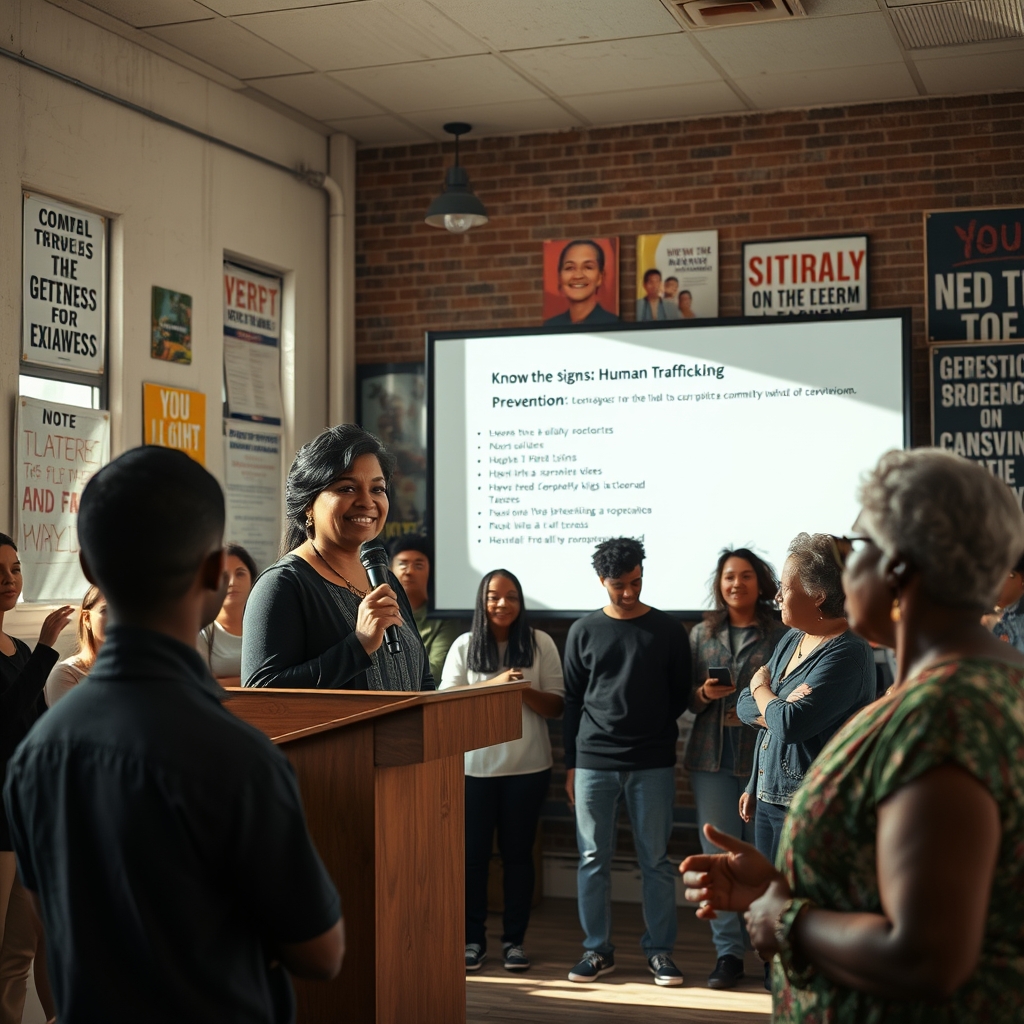
Education is often hailed as the great equalizer, but in the context of human trafficking, it serves as a shield. Prevention education programs, particularly those tailored to at-risk populations, equip individuals with the knowledge to recognize the warning signs of trafficking. These programs go beyond mere information dissemination; they foster critical thinking, self-advocacy, and an understanding of personal boundaries. For example, workshops in schools and community centers teach young people about the tactics traffickers use—such as grooming, false promises of employment, or romantic manipulation—and how to seek help if they or someone they know is targeted.
In regions where trafficking is rampant, education also addresses the systemic inequalities that make individuals more susceptible. Programs that focus on economic empowerment, such as vocational training or financial literacy, reduce the desperation that traffickers exploit. When people have viable alternatives to precarious labor or unsafe migration, the allure of traffickers’ false promises weakens. Education, in this sense, is not just about awareness—it’s about creating pathways to stability and self-sufficiency.
Survivor-Led Education: A Voice for Change
One of the most impactful forms of trafficking prevention education comes from those who have lived through it. Survivor-led initiatives bring authenticity and urgency to the conversation, breaking down the stigma and silence that often surround trafficking. These programs humanize the issue, making it relatable and actionable for audiences who might otherwise dismiss it as something that happens “elsewhere.” Survivors share their stories not as victims, but as experts—offering insights into the tactics of traffickers, the red flags to watch for, and the resources available for those at risk.
Organizations like the Survivor Alliance and Polaris have pioneered survivor-informed training for law enforcement, healthcare providers, and social workers. These trainings shift the narrative from rescue to empowerment, ensuring that professionals respond to trafficking with trauma-informed care rather than judgment or re-victimization. By centering survivors’ voices, education becomes a tool for both prevention and systemic change.
Community Advocacy: The Collective Fight Against Trafficking
While education empowers individuals, community advocacy scales that impact to create lasting change. Advocacy takes many forms, from grassroots campaigns to policy reform, but its core lies in mobilizing people to take action. Community-based safety initiatives, such as neighborhood watch programs or faith-based outreach, create networks of vigilance where trafficking struggles to take root. These initiatives rely on the principle that safety is a collective responsibility—one that requires neighbors, businesses, and local leaders to stay informed and engaged.
Public awareness campaigns play a crucial role in this effort. Campaigns like End Slavery Now or the Blue Campaign use storytelling, social media, and public events to shine a light on trafficking. They dispel myths—such as the idea that trafficking only involves physical abduction—and highlight the less visible forms, like labor trafficking or online exploitation. By making trafficking a topic of everyday conversation, these campaigns reduce the isolation that victims often feel and encourage bystanders to intervene.
Policy and Legal Advocacy: Turning Awareness into Action
Awareness alone is not enough; it must be coupled with systemic change. Legal protection advocacy ensures that survivors have access to justice, compensation, and the resources they need to rebuild their lives. Advocates push for stronger laws, such as the Trafficking Victims Protection Act (TVPA) in the U.S., which provides protections for survivors and holds traffickers accountable. They also work to close loopholes in labor laws, immigration policies, and online platforms that traffickers exploit.
Policy reform advocacy extends to global efforts as well. Organizations like Anti-Slavery International and the United Nations Office on Drugs and Crime (UNODC) collaborate with governments to implement international protocols, such as the Palermo Protocol. These efforts create a framework for cross-border cooperation, ensuring that traffickers cannot evade justice by exploiting jurisdictional gaps. When communities advocate for these changes, they send a clear message: trafficking will not be tolerated, and survivors will be supported.
Building a Culture of Empowerment
The fight against human trafficking is not just about rescue—it’s about prevention, and prevention begins with empowerment. Education and advocacy are the threads that weave together individual resilience and collective action. They transform communities from passive observers into active participants in the fight against trafficking, creating environments where exploitation cannot thrive. When people are informed, connected, and empowered, they become the first line of defense against traffickers.
Yet, the work is far from over. Trafficking adapts to new technologies, economic shifts, and social dynamics, requiring constant vigilance and innovation. The most effective strategies are those that evolve alongside the threat, combining education, advocacy, and survivor leadership to create a multi-layered defense. By investing in these approaches, societies can move from reaction to prevention, ensuring that fewer people fall through the cracks and more survivors find the support they need to reclaim their lives. The invisible threads of education and advocacy, when woven together, have the power to unravel the systems that sustain trafficking—and in their place, build a future where safety, dignity, and freedom are not privileges, but rights.