Breaking the Chains: Building a Future of Hope and Healing for Human Trafficking Survivors
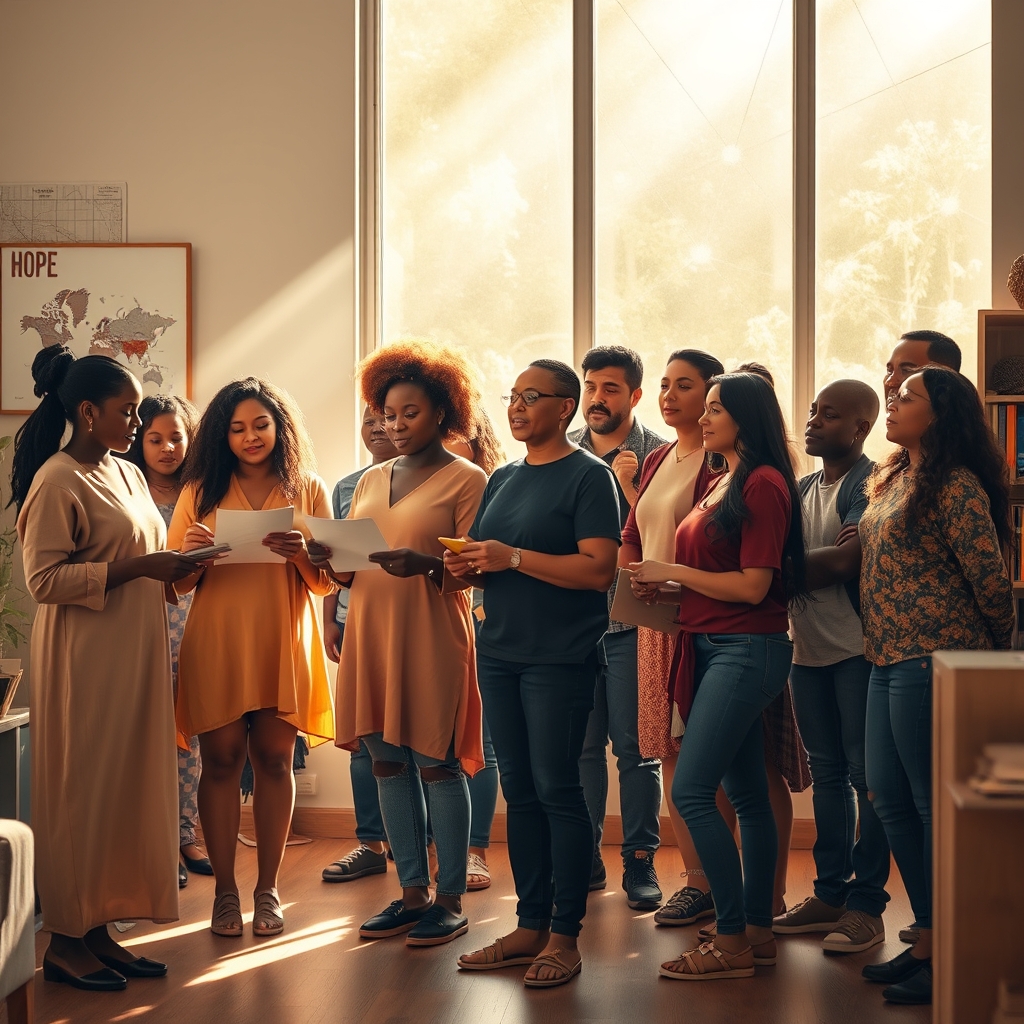
Human trafficking remains one of the most egregious violations of human rights in the modern world, a shadowy crime that preys on vulnerability and thrives in silence. Every year, millions of individuals—men, women, and children—are coerced, deceived, or forced into situations of exploitation, their lives irrevocably altered by the trauma they endure. Yet, amid the darkness, there is hope. A growing global movement is reshaping the narrative, shifting the focus from rescue alone to holistic, survivor-centric healing and long-term empowerment. This transformation is not just about breaking chains; it’s about rebuilding lives with dignity, purpose, and resilience.
The Power of Awareness: Shining a Light on the Invisible
Awareness is the first critical step in combating human trafficking. Many people remain unaware of how trafficking manifests in their communities—whether through forced labor in local businesses, exploitation in online spaces, or the coercion of migrants seeking better opportunities. Public awareness campaigns play a pivotal role in educating the masses, dispelling myths, and encouraging vigilance. Organizations like Polaris and the United Nations Office on Drugs and Crime (UNODC) have developed toolkits and resources to help communities recognize the signs of trafficking and report suspicious activities. Schools, workplaces, and faith-based groups are increasingly incorporating trafficking prevention education into their programs, fostering a culture of collective responsibility.
However, awareness alone is not enough. It must be coupled with actionable strategies that address the root causes of trafficking, such as poverty, lack of education, and systemic inequality. By tackling these underlying issues, communities can reduce the vulnerabilities that traffickers exploit, creating a safer environment for all.
Survivor-Centric Healing: More Than Just Recovery
For survivors of human trafficking, the journey to healing is often long and complex. Traditional recovery programs may focus solely on physical safety and legal recourse, but survivor-centric healing goes deeper. It recognizes that trauma is not just an event but a profound disruption of one’s sense of self, safety, and trust. Trauma-informed care models, such as those developed by the Substance Abuse and Mental Health Services Administration (SAMHSA), prioritize safety, trustworthiness, peer support, collaboration, and empowerment. These models ensure that survivors are not re-traumatized by the very systems designed to help them.
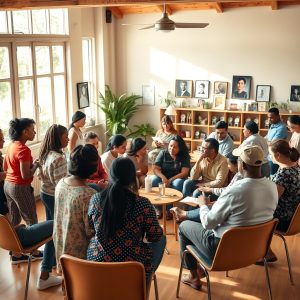
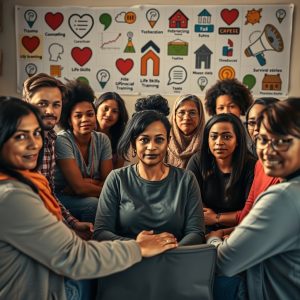
Psychosocial support services are a cornerstone of this approach. Counseling, art therapy, and support groups provide survivors with safe spaces to process their experiences, rebuild their identities, and forge connections with others who understand their journey. Programs like the Survivor Leadership Institute empower survivors to become advocates, turning their pain into purpose by shaping policies and programs that directly impact their communities. This shift from victim to leader is a powerful testament to the resilience of the human spirit.
Safe Reintegration: Building Bridges to a New Life
Reintegrating into society after trafficking is a daunting challenge. Survivors often face stigma, economic instability, and the lingering effects of trauma, which can make it difficult to secure housing, employment, or education. Safe reintegration frameworks are designed to address these barriers by providing comprehensive support tailored to each survivor’s needs. These frameworks may include vocational training, financial literacy programs, and mentorship opportunities, all aimed at fostering independence and self-sufficiency.
Community-based safety initiatives also play a crucial role in reintegration. By fostering inclusive environments where survivors are welcomed and supported, communities can help break the cycle of isolation and shame. Local organizations, such as the Coalition to Abolish Slavery and Trafficking (CAST), work closely with survivors to develop personalized reintegration plans, ensuring they have the tools and resources to thrive. These efforts are not just about survival; they are about creating a future where survivors can flourish.
Legal Protection and Advocacy: Ensuring Justice and Rights
Legal protection is a fundamental right for survivors of human trafficking, yet many face significant barriers to accessing justice. Victim rights protection laws, such as the Trafficking Victims Protection Act (TVPA) in the United States, provide a framework for prosecuting traffickers and safeguarding survivors. However, enforcement remains inconsistent, and survivors often struggle to navigate complex legal systems. Legal protection advocacy is essential to ensure that survivors receive the support and compensation they deserve.
Advocates play a critical role in this process, working to reform policies that fail to address the unique needs of survivors. For example, many survivors are criminalized for offenses committed while under the control of traffickers, such as prostitution or drug-related charges. Policy reform advocacy seeks to decriminalize these offenses and provide survivors with pathways to expunge their records, removing barriers to employment, housing, and education. Additionally, global anti-trafficking efforts, such as the United Nations’ Global Plan of Action to Combat Trafficking in Persons, aim to strengthen international cooperation and hold traffickers accountable across borders.
Collaborative Rescue Initiatives: A United Front Against Trafficking
Combating human trafficking requires a coordinated effort among law enforcement, non-governmental organizations (NGOs), and community members. Collaborative rescue initiatives bring these stakeholders together to identify, rescue, and support survivors while dismantling trafficking networks. For example, the Blue Campaign, a U.S. Department of Homeland Security initiative, partners with local law enforcement, businesses, and advocacy groups to raise awareness and respond to trafficking cases. These partnerships enhance the effectiveness of rescue operations and ensure that survivors receive immediate and long-term support.
Technology also plays a growing role in collaborative efforts. Platforms like the National Human Trafficking Hotline use data and analytics to identify trafficking trends, connect survivors with resources, and coordinate responses across multiple agencies. By leveraging technology, advocates can stay one step ahead of traffickers, disrupting their operations and protecting potential victims.
Empowerment Through Education: Breaking the Cycle of Exploitation
Education is one of the most powerful tools in the fight against human trafficking. It equips individuals with the knowledge and skills to recognize exploitation, protect themselves, and advocate for others. Trafficking prevention education programs, such as those implemented by the International Labour Organization (ILO), target high-risk populations, including migrants, refugees, and at-risk youth. These programs teach participants about their rights, the tactics used by traffickers, and the resources available to them if they find themselves in dangerous situations.
For survivors, education is equally transformative. Access to schooling, vocational training, and higher education opens doors to economic independence and personal growth. Organizations like the Freedom Fund invest in education initiatives that empower survivors to rebuild their lives and contribute to their communities. By breaking the cycle of poverty and exploitation, education creates a ripple effect, fostering generations of informed, resilient individuals who are less vulnerable to trafficking.
The fight against human trafficking is far from over, but the progress made in recent years offers a beacon of hope. From survivor-centric healing to global advocacy efforts, the movement is evolving to address not just the symptoms of trafficking but its root causes. It is a collective endeavor, one that requires the commitment of individuals, communities, and nations alike. By standing together, we can create a world where no one is bought, sold, or exploited—a world where every survivor is given the chance to heal, thrive, and reclaim their future. In this shared mission, we find not only justice but humanity itself.