The Unseen Hands: How Psychosocial Support and Survivor Advocacy Are Redefining Human Trafficking Recovery

In the shadows of human trafficking, survivors often find themselves in a state of profound distress, their lives shattered by the very people they trusted. The journey to recovery is fraught with challenges, but it is within this journey that the unseen hands of psychosocial support and survivor advocacy come into play, offering a beacon of hope and empowerment.
Psychosocial Support: A Lifeline in the Storm
Psychosocial support services are the cornerstone of recovery for human trafficking survivors. These services provide a safe space for survivors to process their trauma, gain insight into their experiences, and develop coping strategies. The goal is not just to heal the physical wounds but also to address the psychological and emotional scars that are often overlooked.
The Role of Counseling and Therapy
Counseling and therapy play a pivotal role in the psychosocial support system. Trauma-informed care models are employed to ensure that survivors feel safe and respected throughout their healing journey. Therapists work closely with survivors to help them understand the impact of their experiences, validate their feelings, and develop healthy coping mechanisms. This process is crucial as it helps survivors reclaim their sense of self and agency.
Support Groups and Peer Mentoring
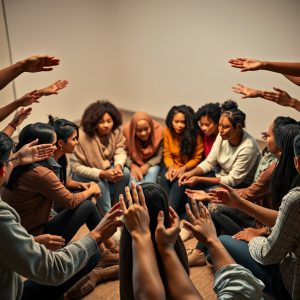
Support groups and peer mentoring programs provide survivors with a sense of community and belonging. Sharing experiences with others who have gone through similar traumas can be incredibly empowering. Peer mentors, who are themselves survivors, offer guidance, encouragement, and a listening ear. This peer support can help survivors feel less isolated and more confident in their journey to recovery.
Survivor Advocacy: Empowering the Voiceless
Survivor advocacy is another critical component of the recovery process. Advocates work tirelessly to ensure that survivors’ voices are heard and their rights are protected. This advocacy extends beyond the immediate aftermath of trafficking, aiming to empower survivors to take control of their lives and advocate for themselves and others.
Legal and Social Support
Legal advocacy is a vital part of survivor support. Advocates assist survivors in navigating the legal system, helping them understand their rights, and advocating for their best interests. This can include everything from filing police reports to securing legal aid and protection orders. Social support is equally important, as it helps survivors rebuild their social networks and find safe, supportive communities.
Empowerment Through Education
Education is a powerful tool for empowerment. Advocates work with survivors to provide them with the knowledge and skills they need to make informed decisions about their lives. This can include financial literacy, job training, and legal education. Empowerment through education helps survivors break free from the cycle of exploitation and build a future for themselves.
Community-Based Safety Initiatives: Building a Safer Future
Community-based safety initiatives are essential for the long-term recovery and protection of survivors. These initiatives involve local communities in the fight against human trafficking, fostering a culture of vigilance and support. By involving community members, these initiatives ensure that survivors are not isolated but are instead part of a larger network of support.
Community Vigilance and Awareness
Community vigilance is a key component of these initiatives. By raising awareness about the signs of trafficking and the red flags in recruitment, community members can play an active role in identifying and preventing trafficking. This collective effort helps create a safer environment for all, not just survivors.
Safe Reintegration Frameworks
Safe reintegration frameworks are designed to help survivors transition back into society in a way that is both safe and supportive. These frameworks often include a combination of housing support, job placement, and ongoing counseling. The goal is to ensure that survivors have the resources and support they need to rebuild their lives and avoid re-trafficking.
In the complex and often hidden world of human trafficking, the unseen hands of psychosocial support and survivor advocacy are the guiding lights that lead survivors towards recovery and empowerment. By providing a safe space for healing, advocating for survivors’ rights, and building supportive communities, these efforts are not just redefining recovery but also empowering survivors to take control of their lives and advocate for a future free from exploitation. The journey to recovery is long and arduous, but with the right support, survivors can find their way back to the light and build a life of hope, dignity, and empowerment.