The Unseen Hands: How Psychosocial Support and Survivor Advocacy Are Redefining Human Trafficking Recovery

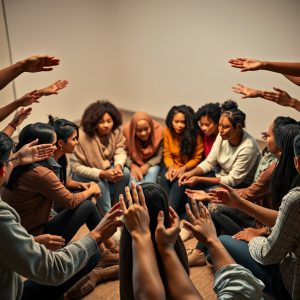
In the shadows of human trafficking, survivors often find themselves in a state of profound vulnerability and despair. However, within this darkness, there are unseen hands reaching out to offer support and advocacy. These hands are not just metaphorical but are the dedicated efforts of psychosocial support services and survivor advocacy groups that are redefining the landscape of human trafficking recovery.
The Role of Psychosocial Support
Psychosocial support is a cornerstone of recovery for human trafficking survivors. This support encompasses a range of services designed to address the psychological, emotional, and social needs of survivors. Trauma-informed care models are at the heart of this support, ensuring that survivors are treated with compassion and respect, and that their experiences are validated.
Trauma-Informed Care
Trauma-informed care is a holistic approach that recognizes the impact of past trauma on a survivor’s present-day functioning and future recovery. It involves creating a safe, non-judgmental environment where survivors can express their feelings and experiences without fear of retraumatization. This approach is crucial in helping survivors process their trauma and begin the healing journey.
Counseling and Therapy
Counseling and therapy services are integral to psychosocial support. These services provide survivors with a safe space to explore their emotions, develop coping strategies, and work towards their personal goals. Trained therapists and counselors use evidence-based practices to help survivors overcome the psychological effects of trafficking.
Support Groups
Support groups offer survivors the opportunity to connect with others who have gone through similar experiences. These groups provide a sense of community and belonging, which is essential for recovery. Survivors can share their stories, offer mutual support, and learn from each other’s experiences.
The Power of Survivor Advocacy
Survivor advocacy is another critical component of the recovery process. Advocates play a vital role in ensuring that survivors’ voices are heard and that their rights are protected. This advocacy can take many forms, from legal advocacy to community-based support.
Legal Advocacy
Legal advocacy involves assisting survivors in navigating the complex legal system. This can include helping survivors understand their rights, assisting with legal procedures, and advocating for survivor-centric policies. Legal advocates ensure that survivors are treated fairly and that their voices are heard in legal proceedings.
Community Advocacy
Community advocacy focuses on building a supportive network for survivors within their communities. This can involve organizing community events, providing resources and information, and fostering a culture of awareness and support. Community advocates work to create a safe and inclusive environment where survivors can thrive.
Empowerment Through Education
Empowerment through education is a key aspect of survivor advocacy. By providing survivors with the knowledge and skills they need to protect themselves and others, advocates help survivors regain a sense of control over their lives. Education programs can cover a wide range of topics, from personal safety to financial literacy, and are tailored to meet the specific needs of survivors.
Redefining Recovery
The combination of psychosocial support and survivor advocacy is redefining the landscape of human trafficking recovery. By addressing the psychological, emotional, and social needs of survivors, these efforts are helping survivors heal, recover, and rebuild their lives. As the unseen hands of support continue to reach out, the future of human trafficking recovery looks brighter than ever. The journey of recovery is not an easy one, but with the right support and advocacy, survivors can find their way back to a life of hope, dignity, and empowerment.