The Unseen Hands: How Psychosocial Support and Survivor Advocacy Are Redefining Human Trafficking Recovery

In the shadows of human trafficking, survivors often find themselves in a state of profound distress, their lives shattered and their voices silenced. However, within these dark corners, there are unseen hands reaching out to offer support, advocacy, and a glimmer of hope. The combination of psychosocial support and survivor advocacy is proving to be a powerful force in redefining human trafficking recovery, offering survivors the chance to heal, reclaim their voices, and rebuild their lives.
Psychosocial Support: A Beacon of Hope
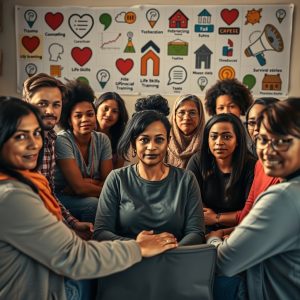
Psychosocial support is a critical component of the recovery journey for human trafficking survivors. This form of support addresses the physical, emotional, and psychological needs of survivors, providing them with a safe space to process their trauma and begin the healing process. Psychosocial support services can include counseling, peer support groups, and trauma-informed care models that are tailored to the unique needs of each survivor.
Trauma-Informed Care Models
Trauma-informed care models are at the heart of psychosocial support services. These models recognize that the experiences of human trafficking survivors are often marked by trauma, and that traditional forms of care may not be effective. Instead, trauma-informed care models focus on the unique needs of survivors, ensuring that they are treated with dignity, respect, and compassion. This approach helps survivors to feel safe and supported, laying the foundation for their recovery.
Peer Support Groups
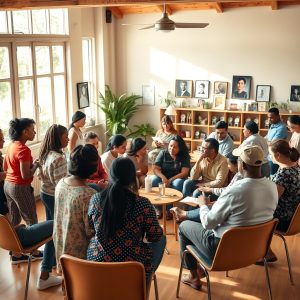
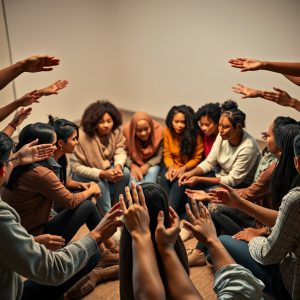
Peer support groups are another vital component of psychosocial support. These groups provide survivors with the opportunity to connect with others who have experienced similar traumas. Sharing their stories and receiving support from peers can be incredibly empowering, helping survivors to feel less alone and more in control of their recovery journey.
Survivor Advocacy: Empowering Voices
Survivor advocacy is a powerful tool in the fight against human trafficking. It involves empowering survivors to speak out about their experiences, advocate for their rights, and take an active role in their recovery. Survivor advocacy can take many forms, from legal advocacy to community-based initiatives, but it is all aimed at empowering survivors and ensuring that their voices are heard.
Legal Advocacy
Legal advocacy is a critical component of survivor advocacy. It involves working with survivors to understand their legal rights and options, and then advocating on their behalf to ensure that these rights are protected. Legal advocacy can include everything from helping survivors to understand their legal options to representing them in court proceedings.
Community-Based Initiatives
Community-based initiatives are another vital component of survivor advocacy. These initiatives focus on building strong, supportive communities that are committed to the well-being of survivors. This can include everything from community education programs to survivor-led support groups. By building these communities, we can create a more supportive environment for survivors, helping them to feel safe, valued, and empowered.
Redefining Recovery
The combination of psychosocial support and survivor advocacy is proving to be a powerful force in redefining human trafficking recovery. By addressing the unique needs of survivors and empowering them to take an active role in their recovery, we can help them to heal, reclaim their voices, and rebuild their lives. This approach is not only effective in helping survivors to recover, but it is also empowering, giving survivors the tools and resources they need to break free from the cycle of trafficking and build a brighter future for themselves.
As we continue to work towards a world free from human trafficking, it is crucial that we recognize the power of psychosocial support and survivor advocacy. By investing in these areas, we can help survivors to heal, reclaim their voices, and rebuild their lives, ultimately creating a more just and equitable world for all.