The Unseen Hands: How Psychosocial Support and Survivor Advocacy Are Redefining Human Trafficking Recovery

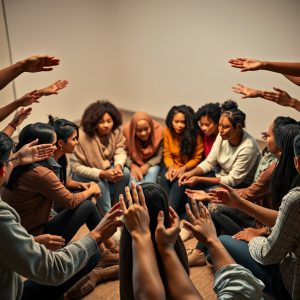
In the shadows of human trafficking, survivors often feel unseen, their stories overshadowed by the darkness of their experiences. However, within these shadows, there are unseen hands reaching out to provide support and advocacy, reshaping the landscape of recovery. Psychosocial support and survivor advocacy are the silent heroes in the fight against human trafficking, offering hope and healing to those who have endured unimaginable horrors.
The Power of Psychosocial Support
Psychosocial support is a cornerstone of recovery for human trafficking survivors. It encompasses a range of services designed to address the psychological, social, and emotional needs of survivors. From trauma counseling to life skills training, psychosocial support provides survivors with the tools they need to rebuild their lives. It’s not just about healing the wounds of the past; it’s about empowering survivors to create a future filled with hope and possibility.
Trauma Counseling
Trauma counseling is a critical component of psychosocial support. Survivors often experience complex trauma, which can manifest in various ways, including flashbacks, nightmares, and emotional detachment. Trauma counseling provides a safe space for survivors to process their experiences, understand their feelings, and develop coping mechanisms. It’s a journey of self-discovery and healing, guided by compassionate professionals who understand the unique challenges faced by trafficking survivors.
Life Skills Training
Life skills training is another vital aspect of psychosocial support. Survivors often lack the basic skills needed to navigate daily life, such as budgeting, cooking, and communication. Life skills training equips survivors with these essential abilities, helping them to regain independence and self-sufficiency. It’s about rebuilding the foundation of their lives, one skill at a time.
The Role of Survivor Advocacy
Survivor advocacy is a powerful force in the fight against human trafficking. It’s about giving survivors a voice, ensuring their rights are protected, and amplifying their stories to raise awareness. Survivor advocates work tirelessly to advocate for policy changes, legal protections, and community support systems that empower survivors to break free from the cycle of trafficking.
Advocating for Policy Changes
Survivor advocates play a crucial role in advocating for policy changes that address the root causes of human trafficking. They work with policymakers to understand the unique challenges faced by survivors and to develop policies that provide them with the support they need. From increasing funding for victim services to improving laws that protect survivors, advocate efforts are instrumental in creating a more supportive and just society.
Amplifying Survivor Stories
Amplifying survivor stories is another key role of survivor advocacy. By sharing their stories, survivors not only raise awareness about the realities of human trafficking but also inspire others to take action. These stories serve as a powerful testament to the resilience of survivors and the importance of their voices in the fight against trafficking. They remind us that every survivor has a unique story, deserving of respect, understanding, and support.
In the shadows of human trafficking, the unseen hands of psychosocial support and survivor advocacy reach out, offering hope and healing. Together, they are reshaping the landscape of recovery, empowering survivors to create a future filled with hope and possibility. It’s a journey of healing and empowerment, guided by compassion, resilience, and the unwavering belief that every survivor deserves to be seen, heard, and supported. This is the power of the unseen hands in the fight against human trafficking.