
The Invisible Safeguards: How Judicial Oversight and Child Welfare Monitoring Shape a Safer Future for Minors
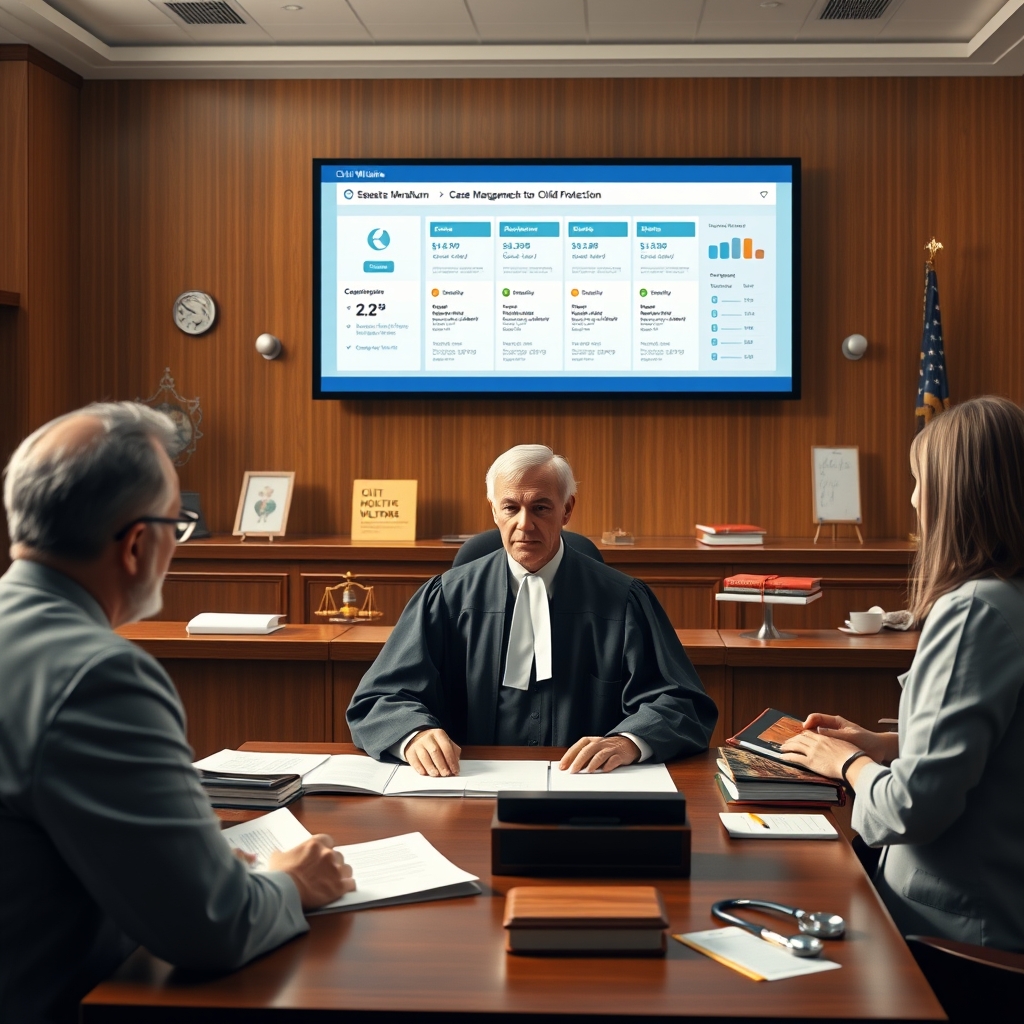
In the complex landscape of child welfare, the role of judicial oversight and child welfare monitoring often operates in the background, yet it is these unseen mechanisms that provide the critical safeguards necessary for the protection and well-being of minors. These systems are the silent sentinels that ensure children are not only safe but also receive the support they need to thrive.
The Role of Judicial Oversight
Judicial oversight in child welfare is a multifaceted process that involves the court’s involvement in ensuring that the best interests of the child are always at the forefront of decisions. This includes the establishment of protective supervision orders, which mandate regular monitoring and reporting to safeguard the child’s welfare. These orders are not just legal formalities; they are active measures that require vigilance and accountability from all parties involved.
Protective Supervision Orders
Protective supervision orders are a cornerstone of judicial oversight, designed to provide a structured framework for the supervision of children in various settings, including foster care and institutional guardianship. These orders outline specific conditions that must be met to ensure the child’s safety and well-being. They require regular updates and audits to ensure compliance, thereby creating a continuous loop of accountability and oversight.
Family Court Compliance
Family court compliance is another critical aspect of judicial oversight. It ensures that all legal custody standards are met and that any changes in custody arrangements are handled with the utmost care and consideration for the child’s best interests. This compliance is not just about following legal procedures; it is about upholding the trust placed in the court system to protect children.
Child Welfare Monitoring
Child welfare monitoring is the proactive process of tracking and evaluating the conditions under which children are placed, ensuring they receive the necessary care and support. This involves regular inspections, audits, and assessments to identify any potential issues and address them promptly.
Minor Welfare Inspections
Minor welfare inspections are a key component of child welfare monitoring. These inspections are conducted to assess the living conditions, care provided, and overall well-being of children in various care settings. The goal is to ensure that these environments are safe, nurturing, and conducive to the child’s development. Inspections are not just about identifying problems; they are about preventing them and ensuring continuous improvement.
Mandatory Reporting Audits
Mandatory reporting audits are another essential tool in child welfare monitoring. These audits ensure that all required reports are filed and that the information provided is accurate and comprehensive. This helps in maintaining a transparent and accountable system where the welfare of children is prioritized. Audits also serve as a mechanism for continuous learning and improvement within the child welfare system.
Interagency Collaboration
Interagency collaboration is crucial for effective child welfare monitoring. It involves the coordination and sharing of information between different agencies and organizations involved in the child’s care. This collaboration ensures that all aspects of the child’s welfare are considered and that no stone is left unturned in the quest for the child’s best interests.
Interagency Data Sharing
Interagency data sharing is a vital component of interagency collaboration. It involves the exchange of information between different agencies to create a comprehensive picture of the child’s background and needs. This data sharing ensures that all relevant information is available to those who need it, enabling more informed and effective decision-making. It also helps in identifying trends and patterns that can inform policy and practice improvements.
Case Management Systems
Case management systems are modern tools that facilitate interagency collaboration and data sharing. These systems provide a centralized platform for storing and managing information related to the child’s case. They enable different agencies to access and update information in real-time, ensuring that everyone is working with the most current and accurate data. This not only improves the efficiency of the child welfare system but also enhances the quality of care provided to children.
In conclusion, the role of judicial oversight and child welfare monitoring in shaping a safer future for minors is profound and multifaceted. These systems provide the critical safeguards necessary for the protection and well-being of children, ensuring that they are not only safe but also receive the support they need to thrive. By fostering a culture of accountability, transparency, and continuous improvement, these systems pave the way for a brighter and more secure future for the children in our care.