Beyond the Shadows: How Trafficking Risk Reduction and Empowerment Through Education Are Rewriting Survivors’ Futures
Human trafficking remains one of the most insidious violations of human rights, thriving in the shadows where vulnerability meets exploitation. Yet, amid the darkness, a quiet revolution is taking place—one that shifts the narrative from rescue alone to resilience, from isolation to empowerment, and from silence to systemic change. At the heart of this transformation lies a dual approach: trafficking risk reduction strategies and empowerment through education, both of which are proving to be powerful tools in rewriting the futures of survivors and those at risk.
The Silent Epidemic: Understanding the Scope
Every year, millions of individuals—men, women, and children—are trafficked across borders and within their own communities, trapped in cycles of forced labor, sexual exploitation, or domestic servitude. The numbers are staggering, but behind each statistic is a human story: a child lured by false promises, a migrant worker trapped in debt bondage, or a young adult manipulated into exploitation through coercion. What makes trafficking so pervasive is its ability to adapt, exploiting gaps in economic opportunity, social protection, and legal frameworks. Yet, it is precisely these gaps that trafficking risk reduction seeks to address.
Identifying Vulnerabilities Before Exploitation Takes Hold
Trafficking risk reduction is not just about reacting to exploitation—it’s about preventing it before it begins. This proactive approach involves identifying and mitigating the factors that make individuals susceptible to trafficking, such as poverty, lack of education, displacement, or social marginalization. For example, programs that provide vocational training and financial literacy to at-risk youth can reduce their economic vulnerability, making them less likely to fall prey to traffickers’ false promises of employment. Similarly, community-based initiatives that educate families about the tactics used by traffickers—such as fake job offers or romantic manipulation—can create a first line of defense.
In regions where child labor is rampant, schools and NGOs are implementing early warning systems that flag signs of potential exploitation, such as sudden absences or changes in behavior. These systems are often coupled with mentorship programs, where trusted adults or peers provide guidance and support to children who may be at risk. By addressing vulnerabilities at their root, trafficking risk reduction strategies create a protective shield that disrupts the traffickers’ ability to exploit.
Empowerment Through Education: The Key to Long-Term Freedom
While risk reduction focuses on prevention, empowerment through education is about equipping survivors and at-risk individuals with the tools they need to reclaim their agency. Education, in this context, goes beyond traditional academics—it encompasses life skills, critical thinking, and self-advocacy. For survivors, education can be a lifeline, offering a path to economic independence, social reintegration, and psychological healing.
Breaking the Cycle of Silence and Shame
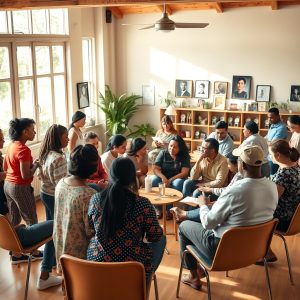
One of the most damaging legacies of trafficking is the stigma and shame that survivors often carry. Many blame themselves for their exploitation, or fear judgment from their communities. Education plays a crucial role in dismantling these barriers by fostering a culture of understanding and support. Survivor-led workshops, for instance, create safe spaces where individuals can share their experiences without fear of retribution. These sessions not only validate survivors’ stories but also educate communities about the realities of trafficking, replacing myths with facts and judgment with empathy.
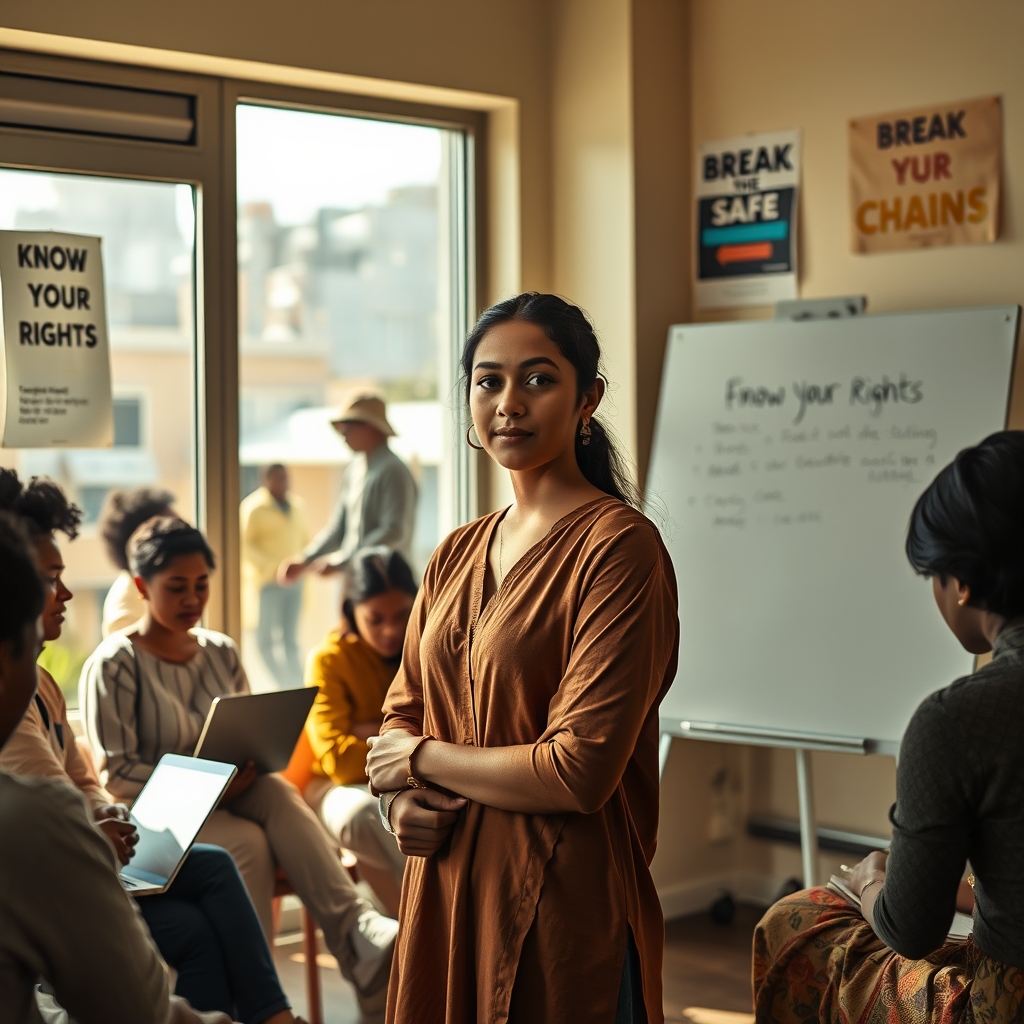
In schools, curricula that include trafficking awareness and human rights education can empower young people to recognize exploitation and seek help. Programs like these are particularly impactful in regions where trafficking is normalized or overlooked. By teaching children about their rights and the resources available to them, education becomes a form of resistance—a way to challenge the systems that enable exploitation.
From Survival to Leadership: The Role of Vocational and Financial Education
For many survivors, the journey to recovery is fraught with economic challenges. Without stable income or job skills, they may find themselves at risk of re-exploitation. Vocational training programs, such as those offering certifications in trades, technology, or entrepreneurship, provide survivors with marketable skills that open doors to sustainable employment. These programs are often paired with financial education, teaching survivors how to manage money, build credit, and plan for the future.
Organizations like the Thorn and Polaris Project have pioneered initiatives that combine vocational training with mentorship, ensuring that survivors not only gain skills but also the confidence to use them. Some programs even go a step further, offering microloans or business grants to survivors who wish to start their own ventures. These opportunities are transformative, allowing survivors to move from survival to self-sufficiency—and, in some cases, to leadership roles where they can advocate for others.
The Power of Community: Building Networks of Support
No individual or organization can combat trafficking alone. The most effective strategies are those that leverage the power of community, bringing together survivors, advocates, law enforcement, and policymakers in a united front. Community-based safety initiatives, such as neighborhood watch programs or hotlines, create early warning systems that can prevent trafficking before it escalates. These initiatives are often most successful when they are survivor-led, as survivors bring unique insights into the tactics used by traffickers and the barriers to escape.
In countries like Nepal and the Philippines, community vigilance groups have been instrumental in identifying and intercepting trafficking attempts. These groups work closely with local authorities to monitor high-risk areas, such as bus stations or border crossings, and intervene when they suspect exploitation. Similarly, in the United States, organizations like Truckers Against Trafficking have trained transportation workers to recognize and report signs of trafficking, turning an industry often exploited by traffickers into a force for prevention.
Policy and Advocacy: Turning Awareness into Action
While grassroots efforts are critical, systemic change requires policy reform. Advocacy groups around the world are pushing for stronger legal protections for survivors, including laws that decriminalize victims and provide pathways to citizenship for those trafficked across borders. They are also advocating for policies that address the root causes of trafficking, such as poverty and gender inequality, by expanding access to education, healthcare, and economic opportunities.
Public awareness campaigns play a vital role in shaping these policy changes. By amplifying survivors’ voices and educating the public about the realities of trafficking, these campaigns create a groundswell of support for reform. Social media has become a powerful tool in this effort, allowing advocates to reach global audiences with messages of prevention, empowerment, and solidarity. Hashtags like #EndHumanTrafficking and #SurvivorStrong have helped to mobilize millions, turning awareness into action.
As the fight against human trafficking evolves, so too must our strategies. Trafficking risk reduction and empowerment through education are not just complementary approaches—they are interdependent. One cannot thrive without the other. By addressing vulnerabilities before exploitation occurs and equipping survivors with the tools they need to rebuild their lives, we are not only preventing trafficking but also redefining what it means to heal. The road to recovery is long, and the challenges are many, but with each step forward, we move closer to a world where no one is forced to live in the shadows, and every survivor has the opportunity to rewrite their story on their own terms.