
Weaving Resilience: The Role of Legal Protection and Policy Reform in Human Trafficking Recovery
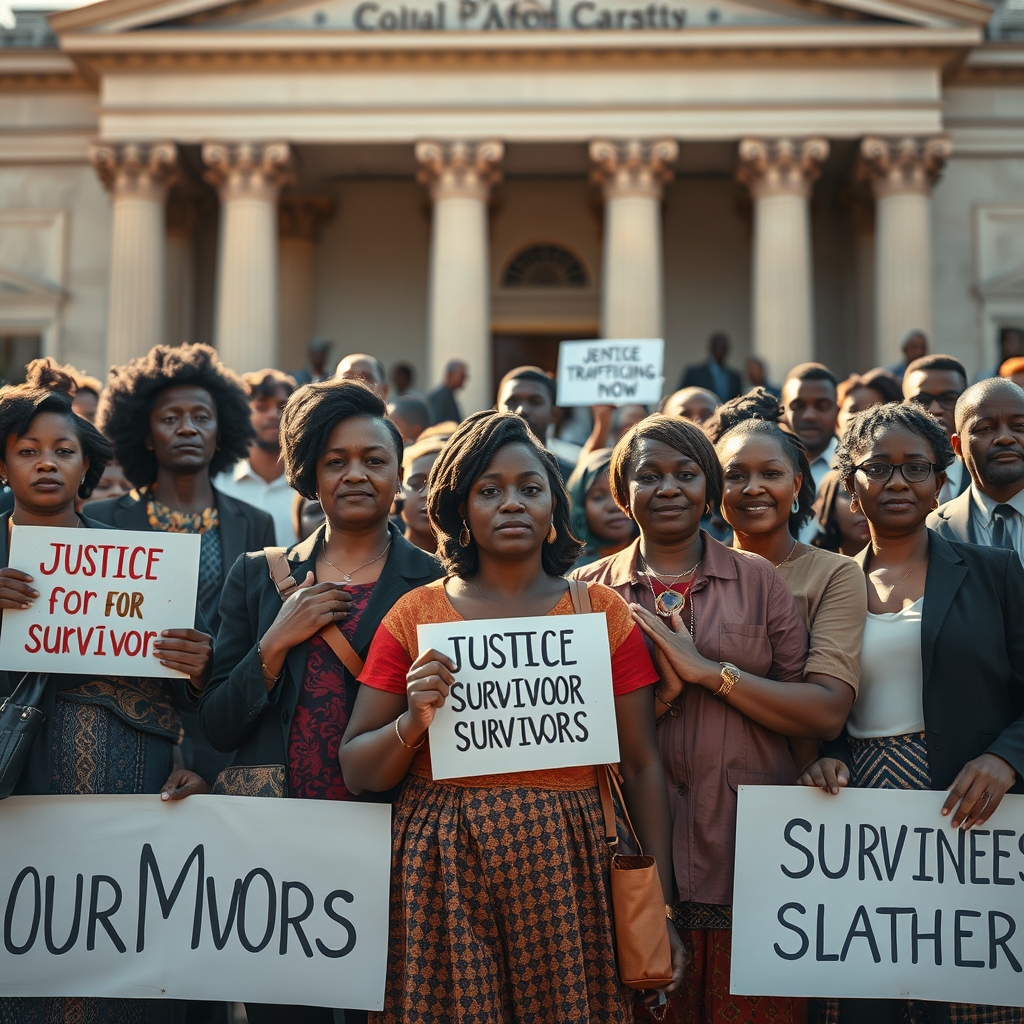
Human trafficking remains one of the most egregious violations of human rights in the modern world, a shadowy crime that thrives in silence and exploitation. While rescue operations and immediate support are critical, the long-term recovery and reintegration of survivors hinge on robust legal protections and systemic policy reforms. These frameworks not only safeguard survivors but also dismantle the structures that enable trafficking to persist. Without them, the cycle of vulnerability and abuse continues unchecked, leaving survivors without the justice or resources they need to rebuild their lives.
The Foundation of Legal Protection
Legal protection for survivors of human trafficking is the cornerstone of their recovery journey. It begins with the recognition of their rights—rights to safety, dignity, and restitution. Many countries have enacted laws to criminalize trafficking, but enforcement often falls short, leaving survivors without recourse. Effective legal protection must go beyond mere legislation; it requires accessible legal aid, victim-friendly court procedures, and the training of law enforcement to recognize and respond to trafficking cases with sensitivity. When survivors are empowered to seek justice, they not only reclaim their agency but also send a powerful message to perpetrators that impunity will not be tolerated.
One of the most critical aspects of legal protection is the provision of temporary or permanent immigration relief for survivors who may fear deportation or retaliation. Programs like the U.S. T Visa or the UK’s Modern Slavery Victim Concession offer survivors a pathway to stay in a country legally while they recover and cooperate with law enforcement. These measures are vital, as they remove the threat of deportation, which traffickers often use to control their victims. However, such protections are not universally available, and even where they exist, bureaucratic hurdles can delay or deny access. Advocacy for streamlined, survivor-centric legal processes is essential to ensure that no one is left behind.
Policy Reform: Dismantling Systems of Exploitation
While legal protections address individual cases, policy reform targets the systemic roots of human trafficking. Trafficking thrives in environments where inequality, corruption, and weak labor laws create opportunities for exploitation. Policy reform must therefore address these underlying issues by strengthening labor protections, improving economic opportunities, and enhancing cross-border cooperation. For instance, industries with high risks of trafficking, such as agriculture, domestic work, and textiles, often operate in regulatory gray areas. Policies that enforce fair wages, safe working conditions, and transparent supply chains can reduce the vulnerabilities that traffickers exploit.
Another critical area of policy reform is the decriminalization of survivors. In many parts of the world, victims of trafficking are wrongly prosecuted for crimes they were forced to commit, such as prostitution or illegal immigration. Decriminalization policies, like those adopted in countries such as Sweden and Canada, shift the focus from punishing survivors to prosecuting traffickers and buyers. This approach not only protects survivors but also disrupts the demand that fuels trafficking. Advocacy for such reforms requires persistent pressure on governments, as well as collaboration with law enforcement to ensure that policies are implemented effectively.
Global Collaboration: A United Front Against Trafficking
Human trafficking is a global issue that transcends borders, making international cooperation a necessity. Organizations like the United Nations Office on Drugs and Crime (UNODC) and the International Labour Organization (ILO) play a pivotal role in coordinating anti-trafficking efforts, sharing best practices, and holding countries accountable for their commitments. The Palermo Protocol, adopted in 2000, was a landmark achievement in this regard, establishing a global framework for preventing trafficking, protecting survivors, and prosecuting traffickers. However, its implementation varies widely, with some countries lacking the resources or political will to enforce its provisions.
Cross-border collaboration also extends to rescue and rehabilitation efforts. Trafficking networks often operate across multiple countries, requiring coordinated law enforcement operations to dismantle them. Initiatives like INTERPOL’s human trafficking task forces and joint investigations between countries have led to the rescue of thousands of victims. Yet, these efforts must be paired with robust support systems for survivors, including safe repatriation, reintegration programs, and access to legal and psychosocial services. Without these, survivors may fall back into the hands of traffickers or face re-victimization in their home countries.
Survivor-Centric Advocacy: Amplifying Voices for Change
At the heart of effective legal protection and policy reform is the inclusion of survivor voices. Survivors bring unique insights into the gaps in existing systems and the barriers they face in accessing justice and support. Organizations like the Survivor Alliance and the U.S. Advisory Council on Human Trafficking are leading the way in centering survivor leadership in advocacy efforts. Their input has been instrumental in shaping policies that are not only effective but also respectful of survivors’ needs and experiences.
Survivor-centric advocacy also challenges the stigma and misconceptions that often surround trafficking. Many survivors face judgment or disbelief when they come forward, particularly if they were trafficked for sex work or forced labor. Advocacy campaigns that highlight survivor stories and educate the public can shift narratives, fostering empathy and understanding. When communities recognize trafficking as a human rights issue rather than a moral failing, they become more invested in supporting survivors and demanding systemic change.
Building a Future of Resilience and Justice
Legal protection and policy reform are not just abstract concepts; they are lifelines for survivors of human trafficking. They provide the safety net that allows survivors to heal, reclaim their lives, and pursue justice. Yet, these systems are only as strong as the collective will to enforce and improve them. Governments, NGOs, and communities must work together to ensure that legal protections are accessible, policies are survivor-centric, and global efforts are coordinated. The fight against human trafficking is far from over, but with sustained advocacy and reform, we can create a world where exploitation is no longer tolerated, and survivors are empowered to thrive.
The journey toward justice and healing is long, but every step forward—whether it’s a new law, a survivor-led initiative, or a community awareness campaign—brings us closer to a future where human dignity is upheld, and no one is left to suffer in the shadows. The resilience of survivors is a testament to the power of hope, and it is our collective responsibility to ensure that hope is met with action, compassion, and unwavering commitment to change.