Breaking Chains: The Multifaceted Approach to Combating Human Trafficking
Human trafficking is a grave violation of human rights that affects millions of people worldwide. It is a complex issue that requires a multifaceted approach to effectively combat. From awareness and prevention to survivor support and policy reform, every aspect plays a crucial role in breaking the chains of this modern-day slavery.
Human Trafficking Awareness
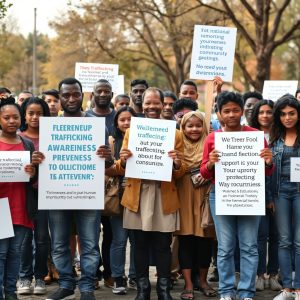
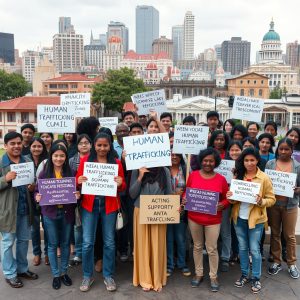
Raising awareness about human trafficking is the first step in the fight against it. Public awareness campaigns are essential in educating communities about the signs of trafficking and how to report suspicious activities. These campaigns can take various forms, including social media posts, community events, and educational workshops.
Trafficking Prevention Education
Prevention education is another critical component. Schools, community centers, and workplaces can all serve as platforms for teaching individuals about the risks and signs of trafficking. By empowering people with knowledge, we can create a more vigilant society that is better equipped to identify and prevent trafficking.
Survivor Support Systems
For those who have been trafficked, survivor support systems are vital. These systems provide a range of services, including safe housing, medical care, legal assistance, and psychosocial support. Survivor-centric healing approaches ensure that the needs and voices of survivors are at the forefront of these services.
Recovery and Rehabilitation Programs
Recovery and rehabilitation programs are designed to help survivors rebuild their lives. These programs often include counseling, job training, and educational opportunities. By providing survivors with the tools they need to reintegrate into society, we can help them regain their independence and dignity.
Anti-Trafficking Advocacy
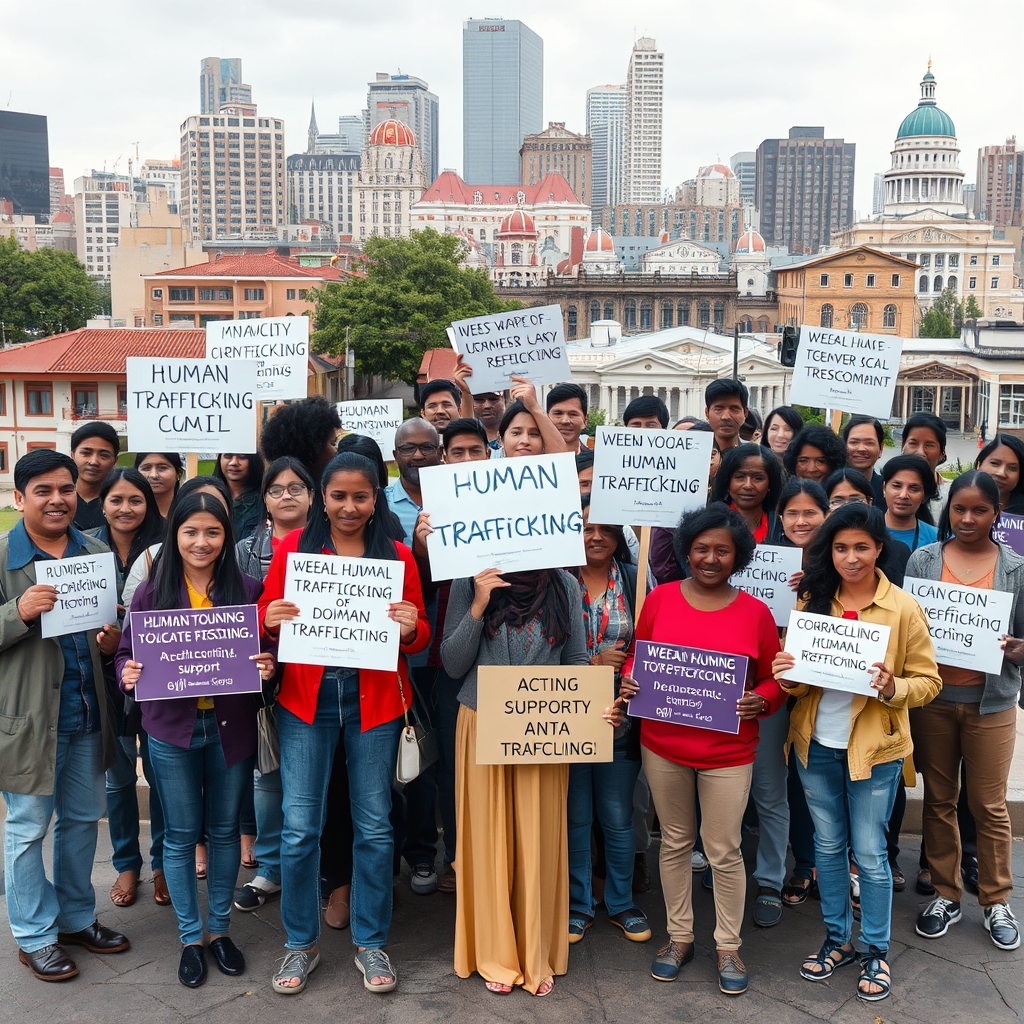
Anti-trafficking advocacy involves working at the grassroots level to raise awareness and mobilize communities. Advocates play a crucial role in pushing for policy reforms, supporting survivors, and promoting public awareness campaigns. Their efforts help to create a more supportive and informed environment for survivors and potential victims.
Legal Protection Advocacy
Legal protection advocacy focuses on ensuring that survivors have access to justice and legal support. This includes advocating for stronger laws against trafficking, providing legal representation for survivors, and working to protect their rights. By strengthening the legal framework, we can better protect survivors and hold traffickers accountable.
Global Anti-Trafficking Efforts
Human trafficking is a global issue that requires international cooperation. Global anti-trafficking efforts involve collaboration between governments, non-governmental organizations (NGOs), and international bodies. These efforts aim to share best practices, coordinate responses, and promote a unified approach to combating trafficking.
Policy Reform Advocacy
Policy reform advocacy is essential for creating a legal and regulatory environment that supports anti-trafficking efforts. Advocates work to influence policy changes at the local, national, and international levels. By pushing for stronger laws and better enforcement, we can create a more effective response to trafficking.
Combating human trafficking requires a comprehensive and collaborative approach. From raising awareness and providing support to survivors, to advocating for policy reforms and promoting global cooperation, every effort plays a crucial role in breaking the chains of this heinous crime. By working together, we can create a world where human trafficking is no longer a threat to the dignity and freedom of individuals.