The Unseen Hands: How Psychosocial Support and Survivor Advocacy Are Redefining Human Trafficking Recovery
Human trafficking is a global crisis that affects millions of people worldwide. It is a complex issue that requires a multifaceted approach to address its root causes and provide support to survivors. One of the most critical aspects of this approach is psychosocial support, which plays a pivotal role in the recovery and rehabilitation of trafficking victims.
Understanding Psychosocial Support
Psychosocial support encompasses a range of services designed to address the emotional, psychological, and social needs of survivors. This support is crucial because trafficking victims often experience severe trauma, including physical abuse, sexual exploitation, and emotional manipulation. The impact of these experiences can be long-lasting, affecting survivors’ mental health, relationships, and overall well-being.
The Role of Survivor Advocacy
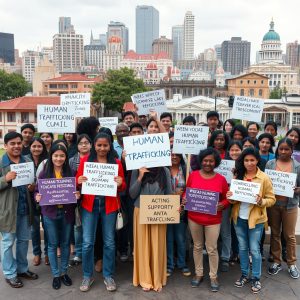
Survivor advocacy is another essential component in the fight against human trafficking. Advocates work tirelessly to raise awareness, provide support, and push for policy changes that protect victims and prevent future trafficking. Their efforts are instrumental in creating a supportive environment where survivors can heal and rebuild their lives.
Recovery and Rehabilitation Programs
Recovery and rehabilitation programs are designed to help survivors regain their independence and rebuild their lives. These programs often include counseling, vocational training, and educational opportunities. By providing survivors with the tools they need to succeed, these programs empower them to take control of their futures.
Trafficking Prevention Education
Education is a powerful tool in the prevention of human trafficking. By raising awareness about the signs of trafficking and the risks associated with it, communities can become more vigilant and better equipped to protect potential victims. Prevention education also helps to dispel myths and misconceptions about trafficking, making it easier for survivors to seek help.
Community-Based Safety Initiatives
Community-based safety initiatives are crucial in creating a supportive environment for survivors. These initiatives involve local organizations, law enforcement, and community members working together to identify and support victims. By fostering a sense of community and trust, these initiatives help survivors feel safe and supported as they navigate their recovery.
Legal Protection Advocacy
Legal protection advocacy is essential in ensuring that survivors have access to justice and protection. Advocates work to ensure that survivors’ rights are upheld and that they have access to legal resources and support. This advocacy is crucial in holding traffickers accountable and preventing future trafficking.
Global Anti-Trafficking Efforts
Global anti-trafficking efforts are necessary to address the international nature of human trafficking. These efforts involve collaboration between governments, non-governmental organizations, and international bodies to share information, resources, and best practices. By working together, these entities can create a more coordinated and effective response to trafficking.
Victim Advocacy Strategies
Victim advocacy strategies focus on providing survivors with the support they need to heal and rebuild their lives. These strategies include providing access to counseling, legal resources, and educational opportunities. By empowering survivors, these strategies help them regain their independence and take control of their futures.
Psychosocial Support Services
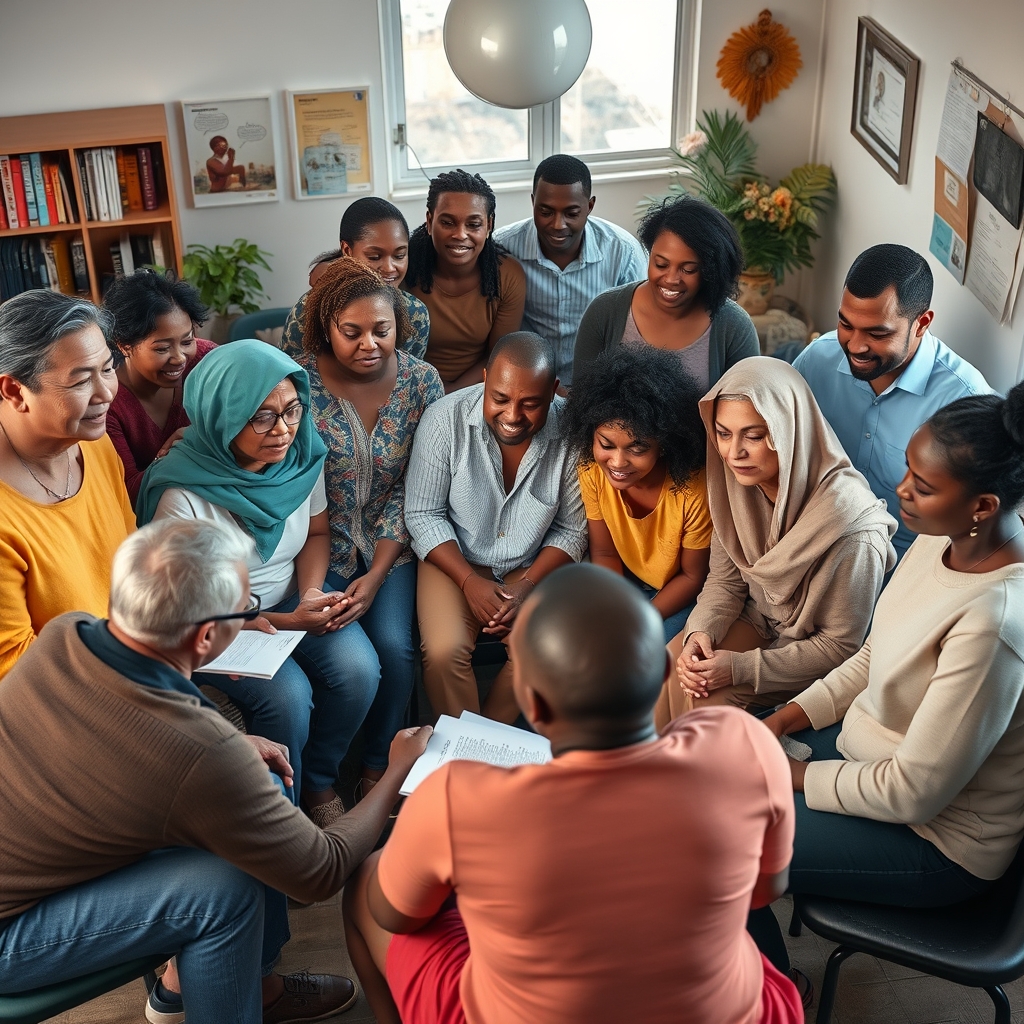
Psychosocial support services are designed to address the emotional and psychological needs of survivors. These services include counseling, support groups, and therapeutic activities. By providing survivors with the tools they need to cope with their experiences, these services help them heal and move forward.
Trafficking Risk Reduction
Trafficking risk reduction involves identifying and addressing the factors that make individuals vulnerable to trafficking. This includes providing education, economic opportunities, and social support. By reducing these risks, communities can create a safer environment for potential victims.
Safe Reintegration Frameworks
Safe reintegration frameworks are designed to help survivors reintegrate into society safely and successfully. These frameworks include providing access to housing, employment, and social support. By ensuring that survivors have the resources they need to rebuild their lives, these frameworks help them achieve long-term stability and success.
Policy Reform Advocacy
Policy reform advocacy is essential in creating a legal and policy environment that supports survivors and prevents trafficking. Advocates work to ensure that laws and policies are in place to protect victims and hold traffickers accountable. By pushing for policy changes, advocates help create a more just and supportive environment for survivors.
Public Awareness Campaigns
Public awareness campaigns are crucial in raising awareness about human trafficking and its impact on survivors. These campaigns help to educate the public about the signs of trafficking and the resources available to survivors. By increasing awareness, these campaigns help to create a more supportive and informed community.
Trauma-Informed Care Models
Trauma-informed care models are designed to provide survivors with the support they need to heal from their experiences. These models focus on creating a safe and supportive environment where survivors can feel comfortable seeking help. By providing trauma-informed care, service providers can help survivors heal and move forward.
Empowerment Through Education
Empowerment through education involves providing survivors with the knowledge and skills they need to succeed. This includes access to educational opportunities, vocational training, and job placement services. By empowering survivors, these programs help them achieve long-term stability and success.
Victim Rights Protection
Victim rights protection is essential in ensuring that survivors have access to justice and protection. This involves providing survivors with legal resources, support, and advocacy. By protecting survivors’ rights, these efforts help to hold traffickers accountable and prevent future trafficking.
Collaborative Rescue Initiatives
Collaborative rescue initiatives involve working together to identify and support trafficking victims. These initiatives include law enforcement, non-governmental organizations, and community members working together to rescue victims and provide them with the support they need. By collaborating, these entities can create a more effective and coordinated response to trafficking.
In conclusion, the fight against human trafficking requires a comprehensive and coordinated approach. By providing psychosocial support, advocating for survivors, and implementing prevention and rehabilitation programs, we can create a safer and more supportive environment for victims. Through education, community initiatives, legal protection, and global efforts, we can work together to end human trafficking and support survivors in their journey to recovery.