Fractured Light: How Survivor-Centric Healing and Community Vigilance Illuminate the Path to Freedom
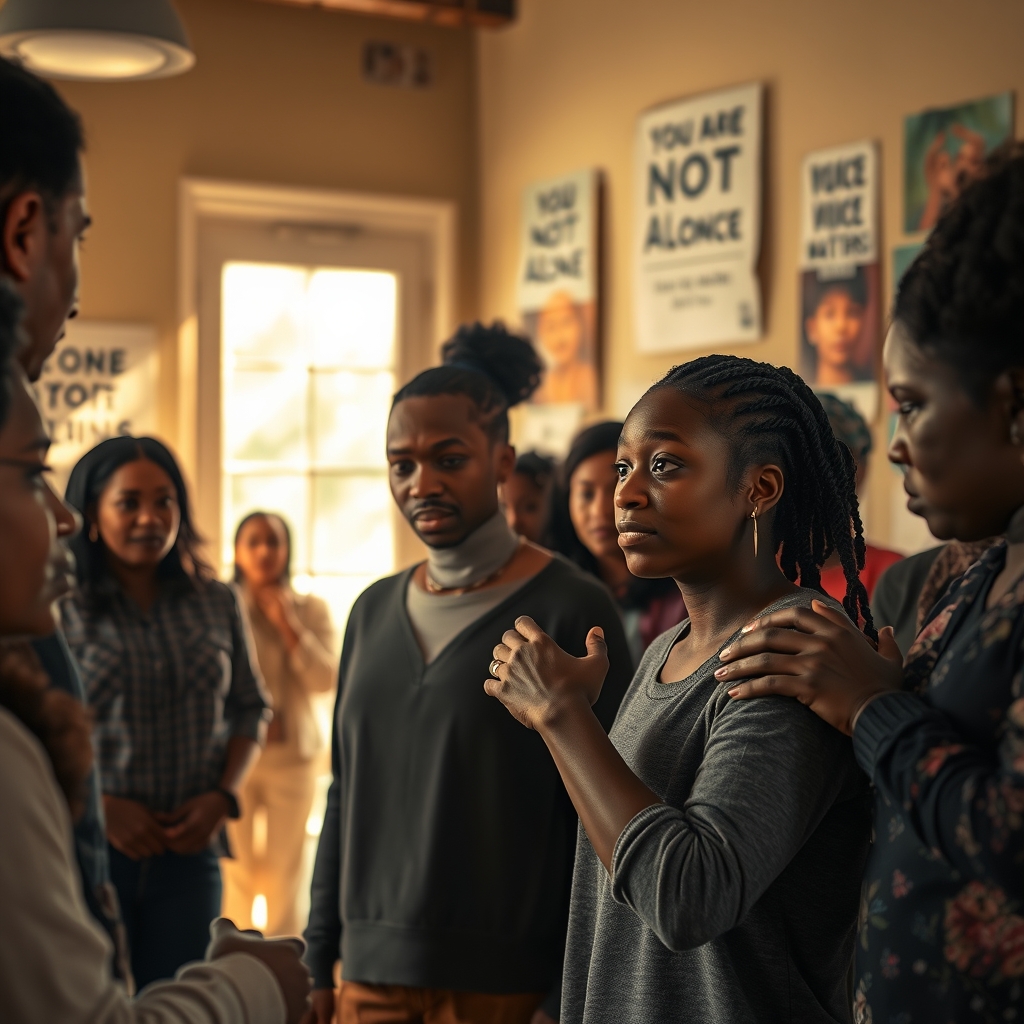
Human trafficking thrives in the shadows, where vulnerability is exploited and voices are silenced. Yet, in those same spaces, resilience takes root—quietly at first, then with a force that cannot be ignored. The journey from exploitation to empowerment is not linear, nor is it traversed alone. It is a collective effort, woven from the threads of survivor-centric healing, unwavering community vigilance, and systems designed not just to rescue, but to restore dignity. This is the story of how fractured light finds its way back to those who have known only darkness.
The Heart of Survivor-Centric Healing
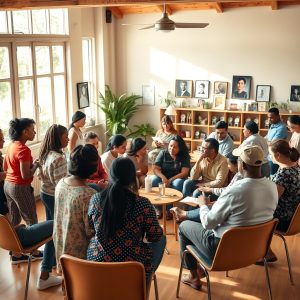
At the core of effective anti-trafficking efforts lies a simple yet profound truth: healing must be led by those who have lived it. Survivor-centric healing models prioritize the voices, needs, and agency of individuals who have experienced trafficking, ensuring that recovery is not a one-size-fits-all process. These approaches recognize that trauma is not just an event but a deeply personal experience, one that shapes identity, trust, and the ability to envision a future.
Programs like the Survivor Leadership Institute and Thorn’s Survivor Networks exemplify this philosophy by placing survivors at the forefront of advocacy, policy development, and peer support. These initiatives create spaces where survivors can reclaim their narratives, mentor others, and shape the systems meant to serve them. By centering their expertise, these models dismantle the power imbalances that often persist in traditional support systems, fostering environments where healing is not just possible but sustainable.
The Role of Trauma-Informed Care
Trauma-informed care is the backbone of survivor-centric healing. It operates on the understanding that every interaction—whether with a therapist, social worker, or law enforcement officer—must be grounded in safety, trust, and collaboration. This approach avoids re-traumatization by recognizing triggers, validating experiences, and empowering survivors to make choices about their own recovery.
For example, trauma-informed therapy might incorporate somatic experiencing or art therapy, allowing survivors to process their experiences non-verbally when words fail. Similarly, housing programs designed with trauma in mind prioritize stability and autonomy, offering survivors the time and space to rebuild without the pressure of immediate independence. These practices acknowledge that healing is not a race but a deeply personal journey, one that requires patience, compassion, and unwavering support.
Community Vigilance: The First Line of Defense
While survivor-centric healing addresses the aftermath of trafficking, community-based safety initiatives work to prevent it from happening in the first place. These efforts rely on the collective power of neighborhoods, schools, and local organizations to recognize the signs of exploitation and intervene before harm occurs. From hotline reporting systems to youth education programs, community vigilance transforms bystanders into allies, creating a web of protection that traffickers cannot easily penetrate.
One powerful example is the Blue Campaign, a U.S. Department of Homeland Security initiative that trains community members—from hotel staff to truck drivers—to identify and report trafficking. Similarly, faith-based organizations and local nonprofits often serve as safe havens, offering resources and education to at-risk populations. These grassroots efforts prove that prevention is not the sole responsibility of law enforcement or policymakers; it is a shared duty, one that begins with awareness and ends with action.
Education as a Shield
Prevention education is perhaps the most potent tool in the fight against trafficking. By equipping young people, parents, and educators with knowledge about the tactics traffickers use, communities can disrupt the grooming process before it escalates. Programs like Love146’s Not a Number and Polaris Project’s educational workshops teach youth how to recognize red flags, set boundaries, and seek help. These initiatives do more than inform—they empower individuals to protect themselves and others, turning vulnerability into strength.
For marginalized communities, where systemic inequities increase the risk of exploitation, education becomes even more critical. Culturally specific programs address the unique challenges faced by LGBTQ+ youth, migrants, and individuals experiencing homelessness, ensuring that no one is left behind. By fostering open conversations about consent, healthy relationships, and digital safety, these programs create a culture of awareness that traffickers cannot easily exploit.
Bridging Healing and Prevention
The most effective anti-trafficking strategies are those that bridge the gap between healing and prevention. Safe reintegration frameworks, for instance, ensure that survivors are not only rescued but also supported as they rebuild their lives. These frameworks provide access to job training, legal aid, and mental health services, addressing the systemic barriers that often push survivors back into cycles of vulnerability. Organizations like the Freedom Fund and International Justice Mission (IJM) work globally to create these safety nets, proving that recovery is not just about survival but about thriving.
At the same time, policy reform advocacy ensures that the systems meant to protect survivors are not perpetuating harm. From strengthening labor laws to decriminalizing survivors who were forced into illegal activities, these efforts challenge the status quo and demand justice. When survivors lead these conversations, as they do in coalitions like the U.S. Advisory Council on Human Trafficking, the policies that emerge are not just well-intentioned but truly transformative.
The Power of Collective Action
No single organization, government, or individual can end human trafficking alone. It requires a collaborative ecosystem—one where law enforcement, nonprofits, businesses, and survivors work in tandem to dismantle the systems that enable exploitation. Initiatives like the Global Business Coalition Against Trafficking (GBCAT) demonstrate how corporations can leverage their influence to combat trafficking in supply chains, while cross-sector task forces ensure that resources are allocated where they are needed most.
This collective action extends to the digital realm, where traffickers increasingly operate. Tech companies like Google and Microsoft have partnered with anti-trafficking organizations to develop tools that identify and disrupt online exploitation. By combining technological innovation with survivor expertise, these efforts create a safer online landscape for vulnerable populations.
The fight against human trafficking is not won in a single battle but in the daily choices of individuals and communities to stand against injustice. It is in the therapist who listens without judgment, the teacher who recognizes the signs of grooming, the neighbor who reports suspicious activity, and the survivor who refuses to let their past define their future. These acts of courage, no matter how small, are the threads that weave a world where exploitation has no place to hide. And in that world, fractured light does not just find its way back—it blazes a trail for others to follow.