Shattering Chains: The Multifaceted Approach to Combating Human Trafficking
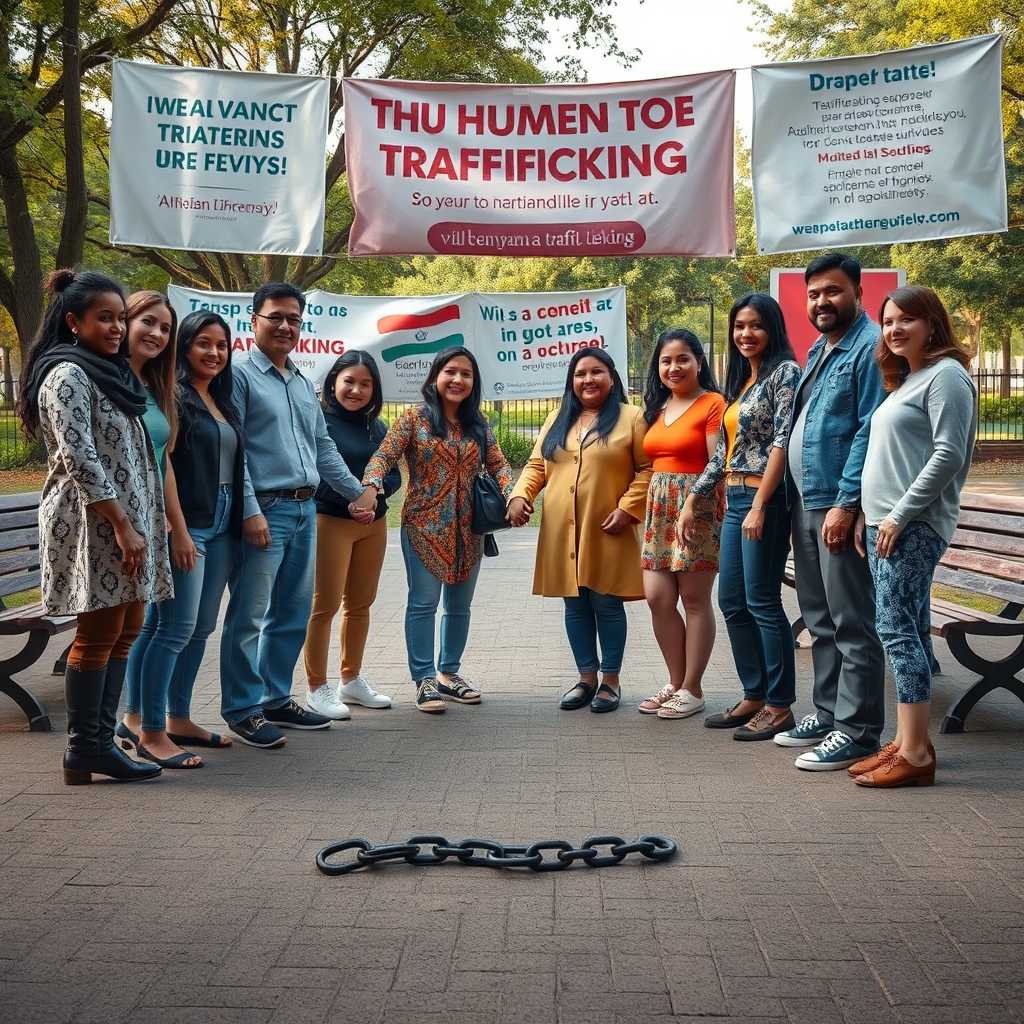
Understanding the Scope of Human Trafficking
Human trafficking is a grave violation of human rights that affects millions worldwide. It involves the exploitation of individuals through force, fraud, or coercion for labor, sexual exploitation, or other forms of servitude. To combat this pervasive issue, a multifaceted approach is essential, encompassing awareness, prevention, support, and advocacy.
Human Trafficking Awareness
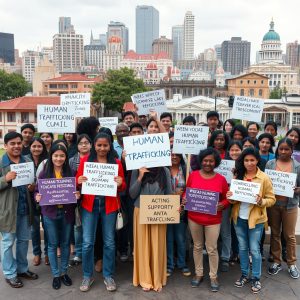
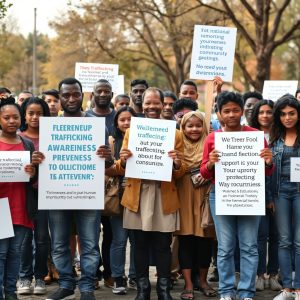
Raising awareness is the first step in the fight against human trafficking. Public awareness campaigns play a crucial role in educating communities about the signs of trafficking and how to report suspicious activities. These campaigns often utilize various media platforms to reach a broader audience, ensuring that more people are equipped with the knowledge to identify and respond to potential trafficking situations.
Survivor Support Systems
Survivors of human trafficking require comprehensive support systems to aid in their recovery and reintegration into society. These systems include psychosocial support services, legal protection advocacy, and recovery and rehabilitation programs. Psychosocial support is particularly vital, as it addresses the emotional and psychological trauma that survivors often experience. Legal protection ensures that survivors have access to justice and are protected from further exploitation.
Anti Trafficking Advocacy
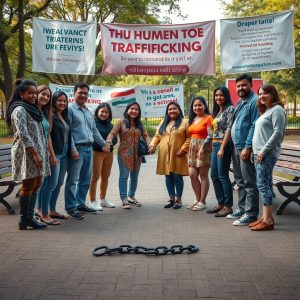
Anti trafficking advocacy involves advocating for policy reform and global anti trafficking efforts. Advocates work to influence legislation that strengthens protections for victims and increases penalties for traffickers. They also collaborate with international organizations to share best practices and coordinate efforts to combat trafficking on a global scale. Community-based safety initiatives are integral to this advocacy, as they empower local communities to take an active role in preventing trafficking.
Trafficking Prevention Education
Education is a powerful tool in preventing human trafficking. Trafficking prevention education programs aim to inform vulnerable populations about the risks and tactics used by traffickers. These programs often target schools, community centers, and other public spaces to reach a wide audience. By educating individuals about the dangers of trafficking, we can empower them to make informed decisions and protect themselves and others.
Victim Advocacy Strategies
Victim advocacy strategies focus on providing survivors with the resources and support they need to rebuild their lives. This includes trauma-informed care models, which ensure that survivors receive care that is sensitive to their unique experiences and needs. Empowerment through education is another key strategy, as it equips survivors with the skills and knowledge to pursue new opportunities and achieve independence.
Trauma-Informed Care Models
Trauma-informed care models are designed to address the complex needs of trafficking survivors. These models recognize the impact of trauma on an individual’s physical, emotional, and psychological well-being. By providing care that is trauma-informed, we can help survivors heal and rebuild their lives in a safe and supportive environment.
Empowerment Through Education
Education is a powerful tool for empowerment. By providing survivors with access to education and training programs, we can help them develop the skills and confidence they need to pursue new opportunities and achieve independence. This not only benefits the survivors but also contributes to the overall well-being of their communities.
Victim Rights Protection
Protecting the rights of victims is a fundamental aspect of combating human trafficking. This includes ensuring that survivors have access to legal representation, fair treatment in the justice system, and protection from further exploitation. Collaborative rescue initiatives are also essential, as they bring together various stakeholders to coordinate efforts and provide comprehensive support to survivors.
Collaborative Rescue Initiatives
Collaborative rescue initiatives involve the coordination of efforts between law enforcement, social service agencies, and community organizations. These initiatives aim to provide a holistic approach to rescuing and supporting survivors. By working together, these stakeholders can ensure that survivors receive the care and support they need to recover and reintegrate into society.
In conclusion, combating human trafficking requires a multifaceted approach that encompasses awareness, prevention, support, and advocacy. By raising awareness, providing comprehensive support systems, advocating for policy reform, and empowering survivors through education, we can make significant strides in the fight against human trafficking. It is a collective responsibility that demands the commitment and collaboration of individuals, communities, and governments worldwide. Together, we can shatter the chains of human trafficking and create a safer, more just world for all.