
The Power of Collective Action: How Community Vigilance and Survivor Advocacy Are Reshaping Human Trafficking Prevention
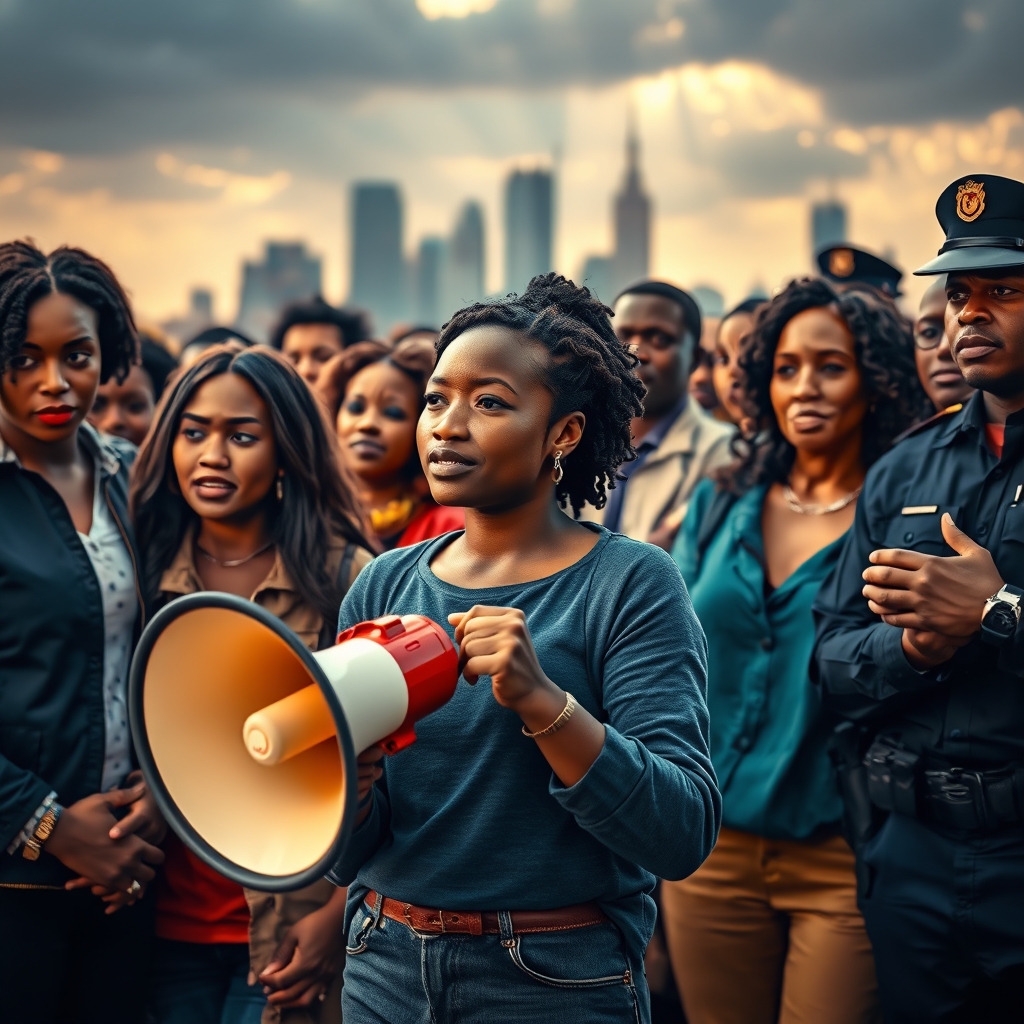
Human trafficking remains one of the most pervasive and insidious crimes of our time, thriving in the shadows of society where vulnerability is exploited and voices are silenced. Yet, amid the darkness, a growing movement of communities, advocates, and survivors is proving that collective action can dismantle these networks of exploitation. The fight against human trafficking is not just the responsibility of law enforcement or policymakers—it is a shared commitment that begins with awareness, deepens with education, and solidifies through unwavering support for those who have endured its horrors.
The Role of Community Vigilance in Early Intervention
Communities serve as the first line of defense against human trafficking. When neighbors, educators, healthcare providers, and local businesses are trained to recognize the signs of exploitation, they become powerful agents of change. Traffickers often operate in plain sight, relying on the ignorance or indifference of those around them. However, initiatives like neighborhood watch programs, school-based awareness campaigns, and workplace training sessions are equipping individuals with the knowledge to identify red flags—unexplained absences, signs of physical abuse, or individuals who appear fearful or controlled by others.
In cities like Atlanta and Houston, community-based organizations have partnered with local law enforcement to create hotlines and reporting mechanisms that encourage anonymous tips. These efforts have led to the disruption of trafficking rings and the rescue of victims who might otherwise have remained invisible. The key lies in fostering a culture of vigilance without fear—a balance between awareness and compassion that empowers communities to act without stigmatizing those at risk.
Survivor Advocacy: Amplifying Voices That Demand Change
No one understands the complexities of human trafficking better than those who have lived through it. Survivor advocates are transforming the narrative around trafficking by sharing their stories, shaping policies, and demanding systemic change. Their voices challenge misconceptions, such as the idea that trafficking only involves physical abduction or that it is confined to certain geographic regions. In reality, trafficking takes many forms—labor exploitation, sex trafficking, and even online grooming—and it affects individuals from all walks of life.
Organizations like the Survivor Alliance and Polaris are leading the charge by centering survivor leadership in their advocacy efforts. These groups provide platforms for survivors to influence legislation, design rehabilitation programs, and educate the public. Their work ensures that policies and support systems are not just well-intentioned but truly effective, addressing the root causes of trafficking and the barriers survivors face in rebuilding their lives.
The Importance of Trauma-Informed Support Systems
For survivors, the journey to healing is often long and fraught with challenges. Traditional support systems may fail to address the deep-seated trauma that accompanies trafficking, leaving survivors feeling isolated or misunderstood. Trauma-informed care models, however, prioritize safety, trust, and empowerment, recognizing that healing is not linear. These approaches integrate mental health services, legal advocacy, and economic empowerment programs to help survivors regain control over their lives.
Programs like the Thorn initiative focus on digital safety and recovery, while organizations like CAST (Coalition to Abolish Slavery & Trafficking) provide comprehensive services, including housing, job training, and legal representation. By adopting a survivor-centric approach, these programs acknowledge the unique needs of each individual, ensuring that support is both accessible and dignified.
Education as a Tool for Prevention
Prevention begins with education. Schools, youth groups, and community centers play a critical role in teaching young people about the tactics traffickers use, such as manipulation, coercion, and false promises. Programs like Blue Campaign by the U.S. Department of Homeland Security provide free resources to educate students, parents, and educators about the warning signs of trafficking and how to seek help.
Beyond formal education, public awareness campaigns are essential in shifting societal attitudes. Campaigns like #EndItMovement use social media and grassroots organizing to shine a light on trafficking and mobilize action. These efforts not only inform the public but also create a sense of urgency, reminding everyone that trafficking is not a distant problem—it is happening in our communities, and we all have a role to play in stopping it.
Policy Reform: Turning Advocacy into Action
While community efforts are vital, systemic change requires policy reform. Advocates are pushing for stronger legal protections, increased funding for survivor services, and harsher penalties for traffickers. In recent years, landmark legislation like the Trafficking Victims Protection Act (TVPA) has expanded protections for survivors and improved law enforcement’s ability to prosecute traffickers. However, gaps remain, particularly in addressing the demand for trafficking and ensuring that survivors are not criminalized for crimes committed while under coercion.
Global efforts are also making an impact. The United Nations’ Global Report on Trafficking in Persons highlights the need for international cooperation, as trafficking networks often operate across borders. By sharing data, resources, and best practices, countries can strengthen their collective response and hold traffickers accountable on a global scale.
The fight against human trafficking is far from over, but the progress made through community vigilance, survivor advocacy, and policy reform offers a glimmer of hope. It is a reminder that change is possible when individuals come together, refuse to look away, and commit to protecting the most vulnerable among us. The path forward is not easy, but it is one worth taking—for the sake of those who have been silenced, and for the future we all deserve to live in. Every action, no matter how small, contributes to a world where exploitation has no place, and freedom is a right, not a privilege.