Healing Hands: The Vital Role of Psychosocial Support Services in Human Trafficking Recovery

Human trafficking leaves deep, invisible scars that extend far beyond physical wounds. Survivors often grapple with complex trauma, including anxiety, depression, post-traumatic stress disorder (PTSD), and a profound sense of isolation. While rescue and legal protection are critical first steps, the journey toward healing requires a holistic approach—one that prioritizes psychosocial support services as a cornerstone of recovery. These services not only address the emotional and psychological aftermath of trafficking but also empower survivors to reclaim their agency and rebuild their lives.
The Invisible Burden of Trauma
Trafficking is not just an act of violence; it is a systematic erosion of a person’s autonomy, dignity, and sense of self. Survivors often experience betrayal by those they trusted, leading to deep-seated mistrust and difficulty forming new relationships. The trauma can manifest in various ways, from hypervigilance and flashbacks to self-blame and dissociation. Unlike physical injuries, these wounds are not always visible, making them easier to overlook—but no less debilitating.
Psychosocial support services are designed to meet survivors where they are, offering a safe space to process their experiences without judgment. These services include individual and group therapy, peer support networks, art and music therapy, and mindfulness-based interventions. By addressing the root causes of trauma, these programs help survivors reframe their narratives, moving from victimhood to resilience.
Building Trust Through Survivor-Centric Care
One of the biggest challenges in supporting trafficking survivors is rebuilding trust. Many have been manipulated, coerced, or exploited by those in positions of authority, leaving them wary of institutions and even well-intentioned helpers. Trauma-informed care models are essential in this context, as they prioritize safety, collaboration, and empowerment. Unlike traditional therapy, which may follow a rigid structure, trauma-informed care adapts to the survivor’s pace, ensuring they feel in control of their healing journey.
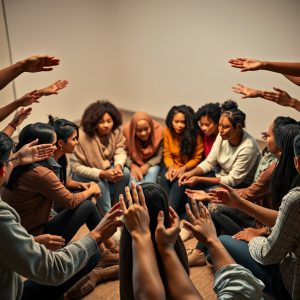
Peer support groups play a particularly powerful role in this process. Connecting with others who have endured similar experiences can reduce feelings of isolation and shame. Survivors often find strength in shared stories, realizing they are not alone in their struggles. These groups also provide a platform for advocacy, allowing survivors to shape the services they receive and influence broader anti-trafficking efforts.
The Role of Community in Healing
Recovery does not happen in isolation. Community-based safety initiatives and safe reintegration frameworks are vital in ensuring survivors have the support they need to rebuild their lives. This includes access to stable housing, education, job training, and legal assistance—all of which are critical for long-term stability. However, without addressing the emotional and psychological barriers to reintegration, survivors may struggle to take advantage of these opportunities.
Programs that integrate psychosocial support with practical assistance—such as vocational training paired with therapy—offer a more holistic approach. For example, a survivor learning new job skills may also benefit from counseling to manage anxiety about re-entering the workforce. By addressing both the practical and emotional aspects of recovery, these programs increase the likelihood of successful reintegration.
Advocacy and Policy: Ensuring Access to Support
Despite the proven effectiveness of psychosocial support services, many survivors face barriers to accessing them. Limited funding, lack of awareness, and systemic gaps in care can leave survivors without the help they need. Policy reform advocacy is crucial in addressing these challenges, ensuring that support services are not only available but also tailored to the unique needs of trafficking survivors.
Advocates are pushing for policies that mandate trauma-informed training for service providers, increase funding for mental health programs, and expand access to care for marginalized communities. Additionally, global anti-trafficking efforts must prioritize psychosocial support as a fundamental component of recovery, rather than an afterthought. By centering survivor voices in policy discussions, we can create systems that truly meet their needs.
Empowerment Through Education and Awareness
Public awareness campaigns play a key role in reducing the stigma surrounding trafficking and mental health. Many survivors hesitate to seek help due to fear of judgment or retribution. By educating communities about the signs of trafficking and the importance of psychosocial support, we can foster a more compassionate and informed society. Schools, workplaces, and faith-based organizations can all serve as platforms for trafficking prevention education, helping to identify at-risk individuals and connect them with resources before exploitation occurs.
Education also empowers survivors to become advocates for change. Many find healing in sharing their stories, whether through public speaking, writing, or mentoring others. This not only helps them reclaim their narratives but also inspires others to seek help and support.
The Lifelong Journey of Healing
Recovery from human trafficking is not a linear process. It is a lifelong journey marked by progress, setbacks, and moments of profound growth. Psychosocial support services provide the tools and resources survivors need to navigate this journey, but they are just one piece of the puzzle. True healing requires a collective effort—one that includes communities, policymakers, and survivors themselves.
By investing in these services and advocating for systemic change, we can create a world where survivors are not just rescued but truly supported in their journey toward healing and empowerment. The hands that once held them captive can be replaced by hands that lift them up, offering hope, dignity, and a path forward. In this way, we move beyond mere survival and toward a future where every survivor has the opportunity to thrive.