Unseen Bonds: The Power of Psychosocial Support in Human Trafficking Recovery

Human trafficking leaves scars that extend far beyond the physical. Survivors often grapple with deep emotional wounds, fractured trust, and a profound sense of isolation. While rescue and legal interventions are critical, the journey toward healing is incomplete without robust psychosocial support services. These systems are not just supplementary—they are the backbone of sustainable recovery, offering survivors the tools to rebuild their lives with dignity and resilience.
The Invisible Burden of Trauma
Trauma from human trafficking is complex and multifaceted. Survivors may experience post-traumatic stress disorder (PTSD), depression, anxiety, and dissociation, often compounded by shame and stigma. Unlike other forms of trauma, trafficking frequently involves prolonged exposure to exploitation, manipulation, and coercion, making the psychological impact uniquely devastating. Traditional mental health approaches may fall short, as they often fail to address the layered nature of this trauma.
Trauma-informed care models have emerged as a transformative approach, recognizing that healing must be survivor-centric. These models prioritize safety, trustworthiness, and empowerment, ensuring that survivors are not re-traumatized by the very systems meant to help them. By integrating cultural sensitivity, peer support, and holistic therapies—such as art, music, and somatic experiencing—these programs create spaces where survivors can process their experiences at their own pace.
Building Bridges Through Community
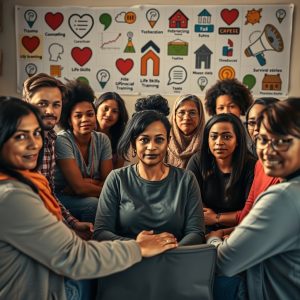
Isolation is a common aftermath of trafficking, as survivors may feel disconnected from their families, communities, or even themselves. Community-based safety initiatives play a pivotal role in bridging this gap, fostering environments where survivors feel seen, heard, and valued. These initiatives often involve local organizations, faith-based groups, and grassroots advocates who work collaboratively to provide wraparound support.
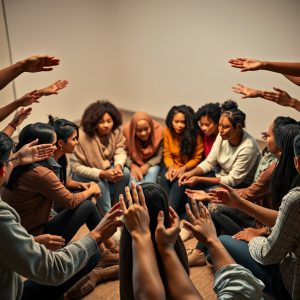
One example is the use of survivor-led support groups, where individuals who have endured similar experiences come together to share their stories and strategies for healing. These groups not only reduce feelings of loneliness but also empower survivors to become advocates for change. Additionally, public awareness campaigns help dismantle the stigma surrounding trafficking, encouraging communities to recognize the signs and respond with compassion rather than judgment.
The Role of Education in Empowerment
Education is a powerful tool in both trafficking prevention education and survivor recovery. For at-risk populations, prevention programs teach critical thinking, digital literacy, and financial independence—skills that reduce vulnerability to exploitation. For survivors, education opens doors to economic stability and self-sufficiency, breaking the cycles of poverty and dependence that traffickers often exploit.
Programs like vocational training, scholarships, and mentorship opportunities are essential components of empowerment through education. They provide survivors with the means to rebuild their lives on their own terms, fostering a sense of agency and hope. Moreover, education equips survivors with the knowledge to advocate for themselves and others, turning their lived experiences into a force for systemic change.
Legal Protection and Advocacy: A Lifeline for Survivors
Navigating the legal system can be overwhelming for survivors, who may fear retaliation, deportation, or further victimization. Legal protection advocacy ensures that survivors have access to justice without compromising their safety or well-being. This includes securing protective orders, pursuing civil remedies, and advocating for policies that prioritize victim rights over punitive measures.
Organizations specializing in victim advocacy strategies work tirelessly to bridge the gap between survivors and the legal system. They provide legal representation, accompany survivors to court proceedings, and offer guidance on immigration relief options, such as T visas in the United States. By centering the survivor’s voice in legal proceedings, these advocates help restore a sense of control and dignity.
Global Efforts and the Path Forward
Human trafficking is a global issue, requiring coordinated efforts across borders. Global anti-trafficking efforts have gained momentum in recent years, with international organizations, governments, and NGOs collaborating to strengthen prevention, protection, and prosecution. Initiatives like the United Nations’ Global Plan of Action to Combat Trafficking in Persons and the Blue Heart Campaign raise awareness and mobilize resources to combat trafficking worldwide.
However, challenges remain, particularly in regions with limited resources or weak legal frameworks. Policy reform advocacy is critical to addressing these gaps, pushing for stronger laws, better funding for support services, and increased accountability for traffickers. Survivors and advocates alike are leading these efforts, ensuring that policies are informed by lived experience and grounded in human rights.
Safe Reintegration: A Holistic Approach
Recovery does not end with rescue or even legal justice—it is a lifelong process. Safe reintegration frameworks are designed to support survivors as they transition back into society, addressing their physical, emotional, and economic needs. These frameworks often include housing assistance, job placement, mental health care, and family reunification services, all tailored to the survivor’s unique circumstances.
One innovative approach is the use of long-term recovery support, which recognizes that healing is not linear. Survivors may face setbacks, and their needs may evolve over time. By providing ongoing access to resources—such as therapy, peer mentorship, and financial planning—these programs ensure that survivors have the support they need to thrive, not just survive.
At the heart of all these efforts is a simple yet profound truth: healing is possible. Psychosocial support services, community-based initiatives, legal advocacy, and global collaboration are not just strategies—they are lifelines. They remind survivors that they are not defined by their past, but by their resilience, their strength, and their capacity to rebuild. The road to recovery is long, but with the right support, it is a journey that no one has to walk alone. Every step forward is a testament to the power of human connection, compassion, and the unwavering belief that a brighter future is within reach.