The Ripple Effect: How Trafficking Prevention Education and Psychosocial Support Create Lasting Change
In the shadows of human trafficking lies a silent struggle, a battle that many never see. Yet, the ripple effect of trafficking prevention education and psychosocial support can create lasting change, offering hope and healing to survivors and communities alike.
The Power of Prevention
Trafficking prevention education is the first line of defense against human trafficking. It equips individuals with the knowledge and skills to recognize the signs of trafficking and understand the dynamics of exploitation. By fostering a culture of awareness, communities can become vigilant, proactive, and protective.
Educational programs should be comprehensive, addressing not only the immediate signs of trafficking but also the underlying factors that contribute to vulnerability. This includes economic inequalities, social norms that perpetuate exploitation, and the lack of access to education and employment opportunities. By tackling these root causes, prevention education can create a more equitable society where trafficking is less likely to occur.
Community-Based Initiatives
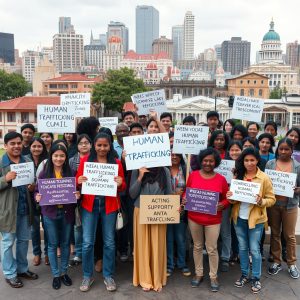
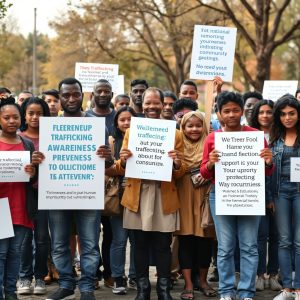
Community-based safety initiatives play a crucial role in prevention education. These initiatives bring the conversation about trafficking into local contexts, making it more relatable and accessible. They can take many forms, from workshops and seminars to community discussions and social media campaigns.
For instance, a community-based initiative might involve local leaders, educators, and community members working together to create a safe space for dialogue. They might organize workshops on human rights, employment laws, and the signs of trafficking. They could also develop community action plans, outlining steps to be taken if someone recognizes the signs of trafficking in their midst.
The Importance of Psychosocial Support
While prevention education is crucial, it’s equally important to provide robust psychosocial support to survivors. Psychosocial support encompasses a range of services designed to help survivors cope with the trauma of their experiences. This includes counseling, support groups, and community-based programs that promote healing and resilience.
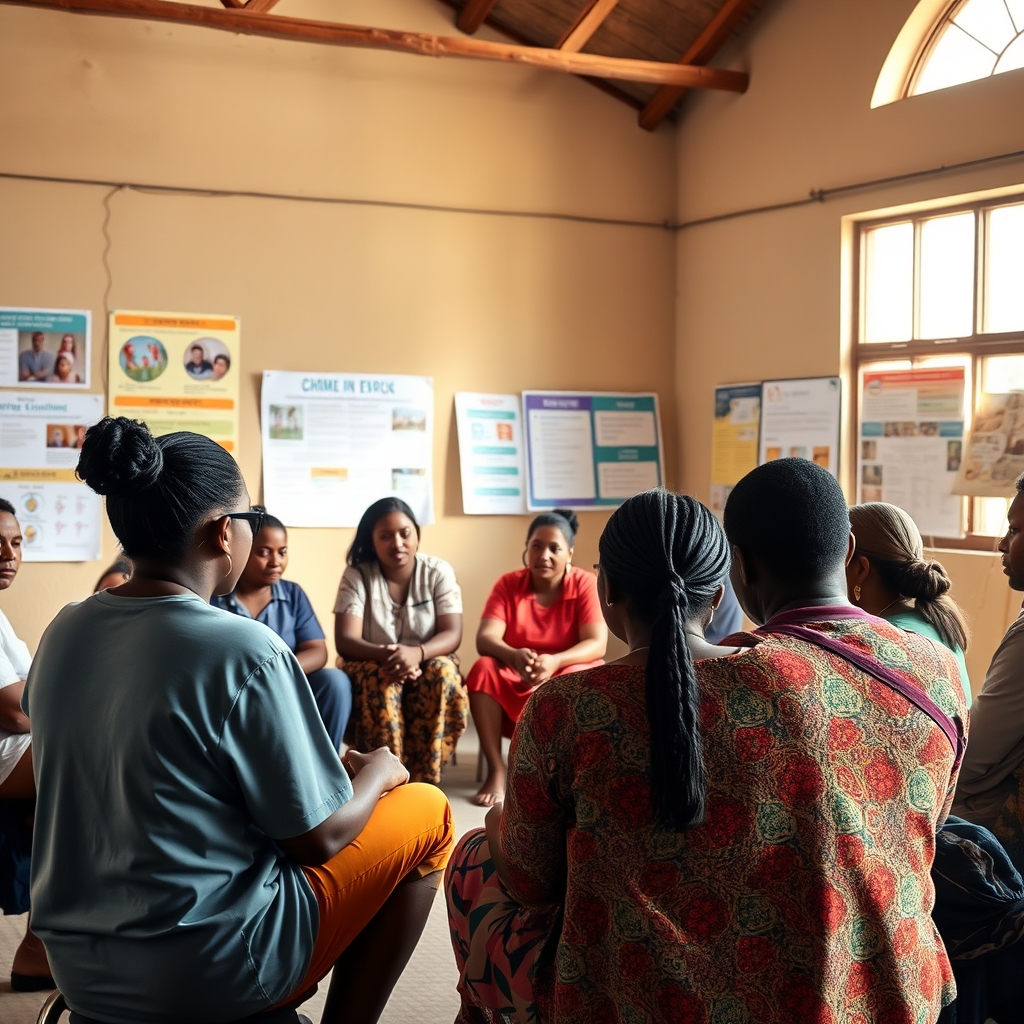
Counseling services can provide survivors with a safe space to process their experiences and develop coping strategies. Support groups, both in-person and online, can offer survivors a sense of community and understanding. They can also provide practical support, such as help with legal issues, housing, and employment.
Trauma-Informed Care
Trauma-informed care is a key component of psychosocial support. It recognizes that the experiences of survivors are shaped by their trauma, and that they may have difficulty trusting others, expressing their feelings, or participating in traditional therapeutic approaches.
Trauma-informed care involves several key principles. First, it acknowledges the impact of trauma on survivors’ lives. Second, it recognizes that survivors have strengths and resources that can be drawn upon to promote healing. Third, it involves collaboration and mutuality, with survivors being active participants in their own care. Finally, it promotes hope and empowerment, helping survivors to see a future beyond their past experiences.
The Ripple Effect
The ripple effect of trafficking prevention education and psychosocial support is far-reaching. It can create a culture of awareness and vigilance, making communities safer and more protective. It can also provide survivors with the support they need to heal and rebuild their lives.
Moreover, the ripple effect can extend beyond individual survivors and communities. It can inspire policy changes, fostering a more equitable and just society. It can also drive global efforts to combat human trafficking, as communities and individuals become more engaged and committed to the cause.
In the end, the ripple effect of trafficking prevention education and psychosocial support is a testament to the power of knowledge, awareness, and support. It reminds us that the fight against human trafficking is not just about rescue and rehabilitation, but also about prevention, education, and support. It’s a fight that can create lasting change, offering hope and healing to survivors and communities alike.