The Unseen Hands: How Psychosocial Support and Survivor Advocacy Are Redefining Human Trafficking Recovery
In the shadows of human trafficking, survivors often find themselves isolated, disempowered, and struggling to reclaim their lives. However, the unseen hands of psychosocial support and survivor advocacy are gradually redefining the landscape of human trafficking recovery. These interventions, often overlooked, play a crucial role in empowering survivors to heal, regain their dignity, and rebuild their lives.
Psychosocial Support: A Beacon of Hope
Psychosocial support is a cornerstone of human trafficking recovery. It encompasses a range of services designed to address the psychological, social, and emotional needs of survivors. This support can include counseling, therapy, and group support sessions, all tailored to the unique experiences of each survivor.
Counseling and Therapy
Counseling and therapy provide survivors with a safe space to process their trauma, gain insights into their experiences, and develop coping strategies. Trained professionals use trauma-informed care models to ensure that survivors feel heard, respected, and understood. These sessions can help survivors make sense of their past, build self-esteem, and develop healthy relationships.
Group Support Sessions
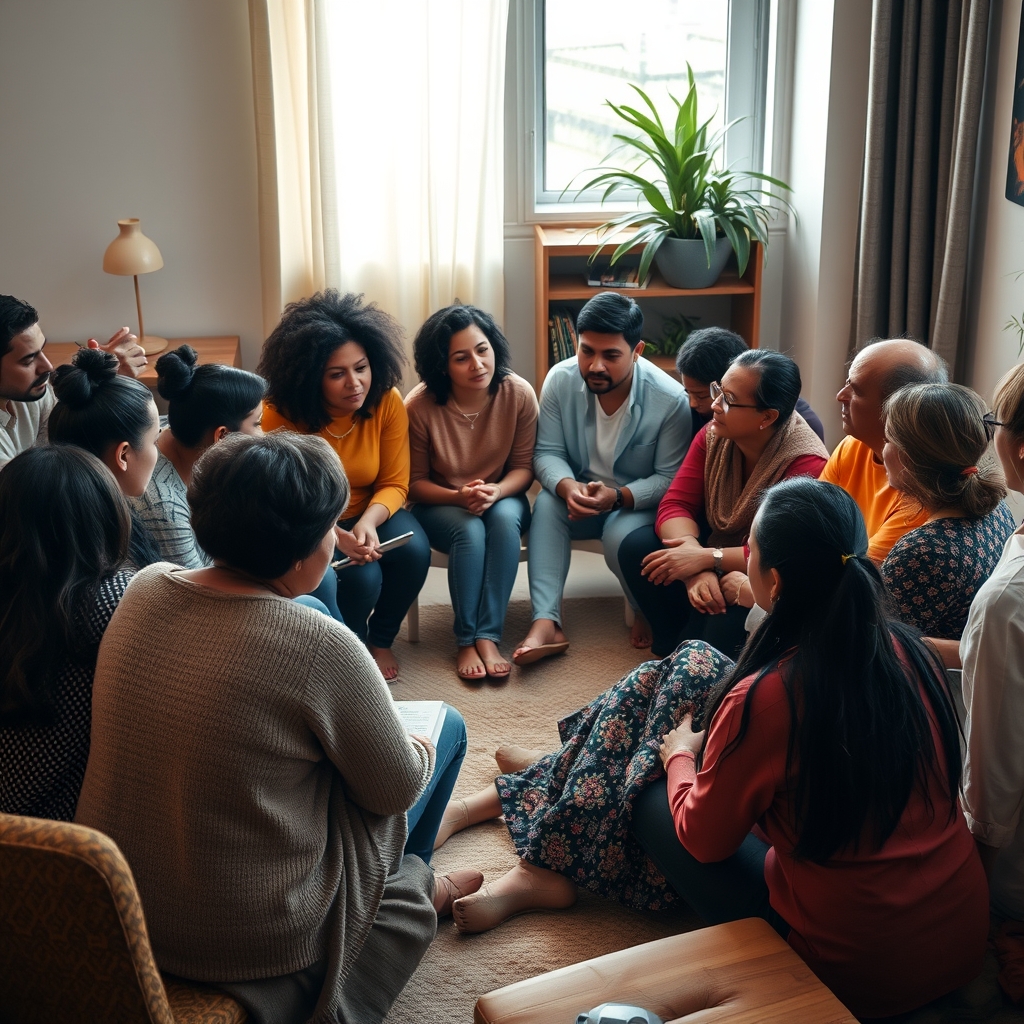
Group support sessions bring survivors together in a supportive environment where they can share their experiences, learn from each other, and build a sense of community. These sessions can be facilitated by trained professionals or peer supporters, who understand the unique challenges faced by survivors. Sharing stories and experiences can help survivors feel less alone and more empowered to heal.
Survivor Advocacy: Empowering the Empowered
Survivor advocacy is another critical component of human trafficking recovery. It involves empowering survivors to take an active role in their recovery and reintegration process. Advocates work closely with survivors to ensure that their voices are heard, their needs are met, and their rights are protected.
Legal Advocacy
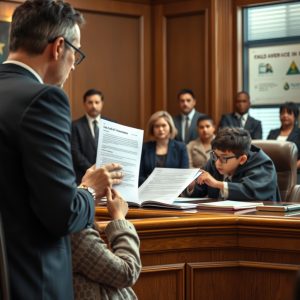
Legal advocacy is a vital part of survivor advocacy. Advocates work to ensure that survivors have access to legal services, understand their rights, and can take legal action against their traffickers. This can include reporting crimes, obtaining restraining orders, and pursuing charges against traffickers. Legal advocacy can also help survivors access necessary resources, such as housing, healthcare, and education.
Community Advocacy
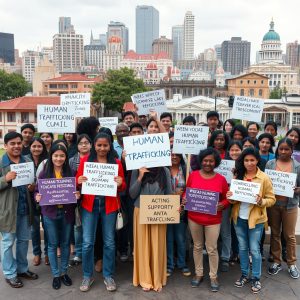
Community advocacy involves building strong, supportive communities that can provide survivors with the resources and encouragement they need to heal and rebuild their lives. This can include connecting survivors with local support services, organizing community events to raise awareness and support, and fostering a culture of empathy and understanding. Community advocacy can help survivors feel more connected to their communities and less isolated in their recovery journey.
Redefining Recovery: A Holistic Approach
The combination of psychosocial support and survivor advocacy offers a holistic approach to human trafficking recovery. By addressing the psychological, social, and emotional needs of survivors, as well as empowering them to take an active role in their recovery, these interventions can help survivors heal, regain their dignity, and rebuild their lives. As more and more survivors receive this support, the landscape of human trafficking recovery is being redefined, one survivor at a time.